How to Choose a Pet Marketing Agency That Grows Real Sales
This is a sponsored guest post from Bigeye. Opinions and claims are the author’s own; Happy Cat At Home may receive payment for publishing it.
Walk into any pet store, or scroll through Chewy for five minutes, and you will see the problem every pet brand has. There are hundreds of foods, treats, chews and supplements, and a lot of them look almost the same. Pet parents are very loyal once their dog or cat likes something. Getting them to try you in the first place is the hard part. That is usually the moment a founder starts looking for outside help.
The market is big enough to make the effort worth it. Around 94 million American households own a pet, which is about 71% of homes. US pet spending is projected to hit $165 billion in 2026, up from $158 billion in 2025. Cat households alone went from 40 million to 49 million in 2024. These figures come from the American Pet Owner 2026 Intelligence Briefing by Bigeye, which pulls from APPA and Morning Consult data.
Still, a growing market does not mean every brand grows with it. Who you hire to run your marketing makes a big difference. Below is what I would check before signing with anyone.
Start With What the Agency Knows About Pet Parents
A lot of agencies open with content. You get a posting calendar, a few mood boards and a promise of more followers. It looks busy, but it often does not move much product.
Research is a better place to start. Who is actually buying your product? Is it a young dog owner ordering on Amazon late at night, or a retired couple picking up litter at Walmart every two weeks? What words do they use for the problem your product solves? What makes them switch brands, and what makes them stay?
An agency that runs its own studies on pet owners can answer these questions before any ad money is spent. Bigeye, an Orlando agency that has been building consumer brands since 2002, runs a National Pet Owners Study and its own research platform called EyeQ. The team uses it to find high value buyers, split them by species, generation and channel, and test creative before launch.
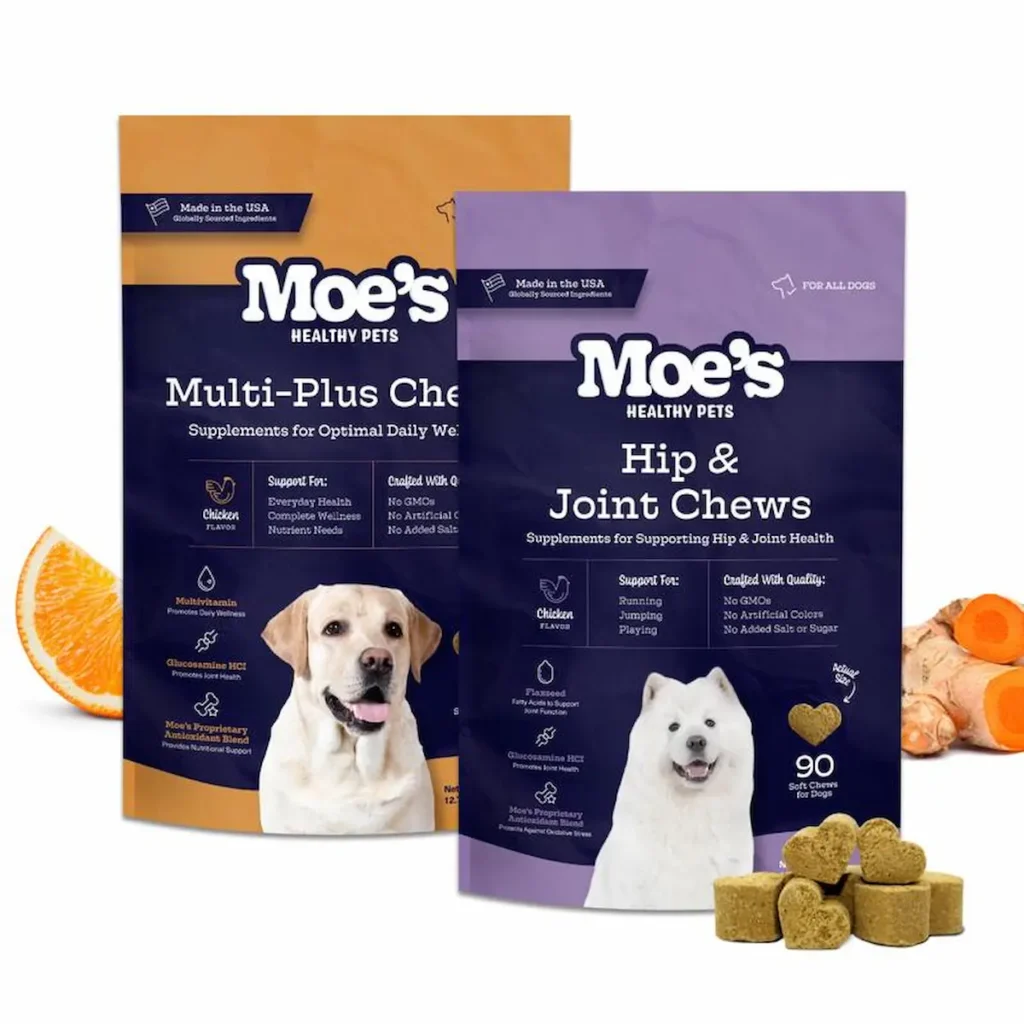
You can see how this works in their Moe’s Healthy Pets project. Moe’s was an acquired supplement brand that needed a rebuild. The packaging, the identity, thousands of Meta ad variations, Amazon ads, video and TV were all shaped by what dog owners said they wanted. According to the agency, the brand saw substantial sales within days of the relaunch.
So ask every agency the same simple question: where do your insights come from? If the answer is “we look at what competitors are posting,” keep looking.
Check Whether They Can Handle the Whole Brand
Selling pet products means winning in three places at once. You need to stand out on a physical shelf, show up in search, and earn the trust of an owner who worries about what goes into their pet’s bowl.
Your bag has to catch the eye at PetSmart. Your Amazon listing has to rank and convert. Your ads have to convince a careful owner that your chew is safe for their senior dog. When three different vendors handle packaging, Amazon and social, the message slowly drifts apart and nobody owns the full picture.
This is where a full service pet marketing agency can be worth more than a group of specialists stitched together. Bigeye splits its pet work into four parts. Research covers audience segmentation, journey mapping and competitor analysis. Branding covers positioning, naming, identity, packaging and messaging. Media covers Amazon ads and DSP, Chewy and Walmart retail media, paid search and social, SEO, AI search and email. Creative covers campaigns, monthly content, creator and UGC programs, video, Amazon storefronts, A+ content and Shopify sites. The people writing your listings sit next to the people designing your bag, so things stay connected.
That said, you do not always need everything on day one. Plenty of brands start with one piece, like packaging or Amazon ads, and add the rest later. A good agency should be fine with that. Bigeye, for one, says brands can keep their current agency and bring them in for a single project.
Look for Real Retail and Marketplace Experience
More than 80% of US ecommerce pet sales run through Chewy and Amazon. If an agency has never managed Sponsored Products, Sponsored Brands or a DSP campaign, it will be learning on your budget.
Ask for proof, not promises:
- Have they run retail media on Chewy and Walmart, or only Amazon?
- Do they build A+ content and brand storefronts?
- Have they helped a brand get into Target, PetSmart, Petco or Pet Supplies Plus?
- Can they show creative that worked on a billboard and also on a store display?
Two Bigeye projects are good examples here. For Cat’s Pride, the agency built “The Better Lighter Litter” campaign, one idea made to scale from billboards to retail displays while the brand expanded nationally against Tidy Cats and Arm & Hammer. For Pet Supermarket, a national pet retailer, they rebuilt social content, ran an in store associate program across more than 225 locations and set up tiered paid media for store openings and ecommerce.
Ask How They Measure Success
Likes and reach are easy to report and easy to inflate. They also do not pay your co packer.
The numbers that matter are the ones your finance team looks at. Return on ad spend (ROAS) tells you what each ad dollar brings back. Marketing efficiency ratio (MER) is your total revenue divided by total marketing spend, which keeps everyone honest across channels. Average order value (AOV), customer acquisition cost and retail sell through finish the picture.
Ask any agency to show you a real report from a current client, with names removed if needed. Bigeye reports its pet campaigns against ROAS, MER and order value. On Zesty Paws, where it handled brand architecture, a messaging framework and campaigns across Amazon, Chewy and social, the agency reports 3.2x ROAS, 47% lower CPA and 50,000 users reached, based on verified client data. Zesty Paws was later acquired by H&H Group for $610 million.
Make Sure They Can Grow With You
Many pet brands outgrow their agency right when things get exciting. The team that was great for a scrappy launch may not know how to support a national retail rollout. Switching partners halfway through costs time, money and momentum.
Look for an agency that has worked with brands at different stages. Bigeye’s pet work covers all of them. ScientiaPet’s bSerene was a launch, a cat calming line positioned for a skeptical, research minded audience. Moe’s Healthy Pets was a rebuild. Cat’s Pride was a national expansion. Zesty Paws was scaling as a category leader. That kind of range means the agency has already seen the problems you will face next.
Questions to Ask Before You Sign
Keep this short list handy for your first few calls:
- What research will you do on my buyers before spending on media?
- Which pet brands have you worked with, and what stage were they at?
- Who on your team handles Amazon, Chewy and Walmart?
- What will my monthly report look like, and which numbers will be on it?
- What exactly do I get each month, in writing?
- Can I start with one service and add more later?
Pay attention to how specific the answers are. Vague answers in the sales call usually turn into vague results later.
Get Something Useful Before You Commit
Almost every agency offers a free call. Fewer will give you real findings before you pay. Bigeye offers a free pet brand audit in four parts. A strategist checks your Amazon and Chewy listings and retail presence, compares your messaging with what their research says your buyer cares about, reviews where your ad budget works and where it leaks, and points to the channel, retailer or product line worth going after next. They say you get a reply within one business day and the findings are yours to keep, whether you hire them or not.
Even if you end up with someone else, an outside review like this is useful. Ask two or three agencies for something similar and compare what comes back. You will learn a lot about how each one thinks.
Final Thoughts
The pet aisle is crowded, and pet parents are picky. The brands that win usually understand their buyers better than anyone else, show up well on every shelf and screen, and track the numbers that actually pay the bills. When you choose a partner, look for research first, proven retail experience, honest reporting and room to grow. Get those right, and your marketing budget starts working as hard as you do.