Cat Sleep Calculator: How Many Hours Should Your Cat Sleep? (Vet-Reviewed 2026)
The most accurate at-home cat sleep calculator on the web — 6 personalized inputs, actual-vs-ideal comparison, 24-hour breakdown, red-flag alerts, and vet-picked indoor cat care picks based on your cat’s exact profile.
Calculate Your Cat’s Ideal Sleep
Rough estimate is fine — count naps plus overnight sleep.
Your Cat’s Personalized Sleep Report
Most adult indoor cats sleep 12–16 hours, with seniors and flat-faced breeds resting closer to the upper end.
Vet-Picked At-Home Essentials for Better Cat Sleep

Bailey’s Cat Calming Chews
Melatonin + CBD + L-theanine chews that ease nighttime pacing, meowing, and anxiety in indoor cats — especially seniors and new-home cats.
Shop Calming Chews →
Fast-Acting CBD Oil for Cats
Sublingual CBD oil that works in about 20 minutes — ideal for storm anxiety, fireworks, vet visits, or cats that just cannot settle at bedtime.
Try CBD Oil →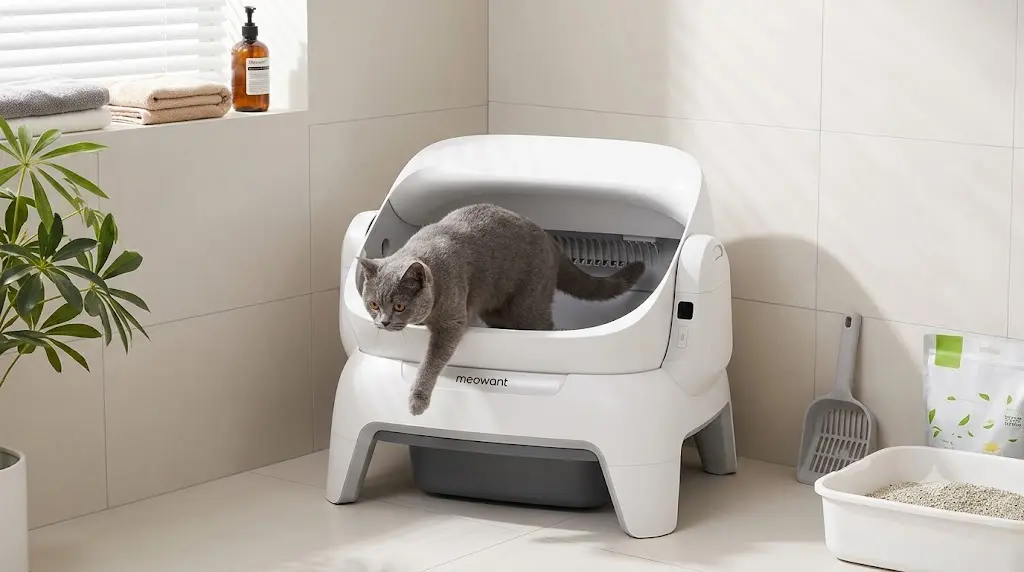
Meowant Self-Cleaning Litter Box
Auto-scoops after every visit so your cat isn’t waking (or waking you) over a soiled box at 3 AM. The #1 fix for broken feline sleep cycles.
Shop Smart Litter Box →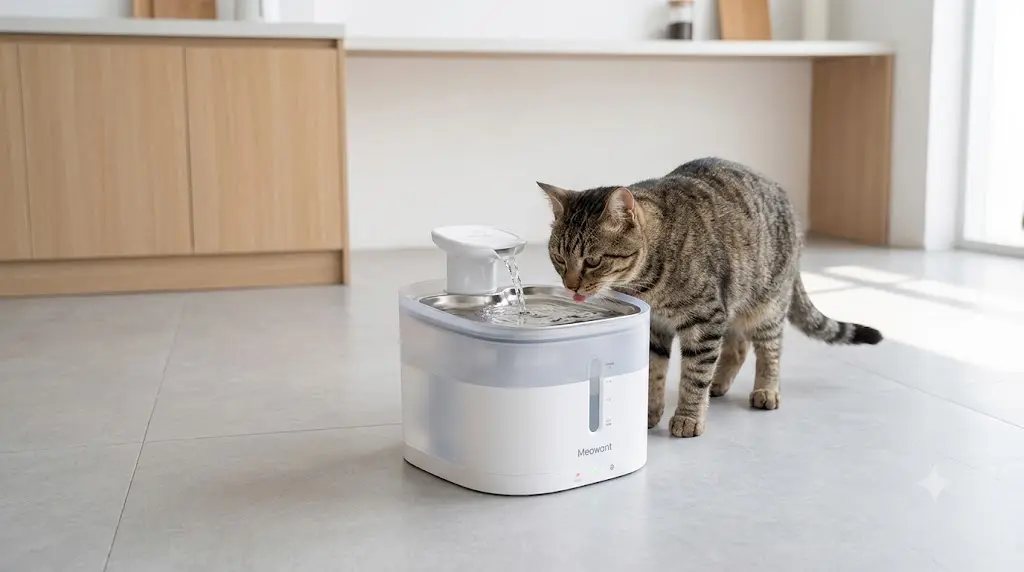
Meowant Cat Water Fountain
Cats prefer moving water. A fountain triples daily intake, protects kidney function, and reduces nighttime litter-box wake-ups.
Shop Water Fountain →
Hip & Joint CBD Chews
Glucosamine + MSM + CBD combo that eases arthritis stiffness in senior cats so they stay in deep sleep instead of shifting all night.
Shop Joint Chews →
No More Itch Chews
Stops the scratch-wake-scratch cycle from allergies, fleas, or dry indoor air. Omega + quercetin blend that calms skin overnight.
Shop Itch Relief →
CBD Skin & Coat Shampoo
Removes dander, allergens, and loose fur so your cat sleeps cleaner and stops over-grooming at night. Safe for sensitive feline skin.
Shop Shampoo →
Omega Hemp Soft Chews
Omega-3 + hemp for a glossy coat, sharper brain, and a calmer nervous system — supports the REM cycle in high-strung indoor cats.
Shop Omega Chews →Sleep still off after 7 days? Book a licensed vet from home — Talk to Dutch Vet 24/7 → unlimited chat + prescriptions from $20/mo.
Why Cat Sleep Quality Matters More Than Hours
Because cats sleep in short cycles, quality beats quantity. A cat that logs 16 hours but wakes every 20 minutes from a dirty litter box, itchy skin, joint pain, or hunger is still sleep-deprived — you’ll see it in vocal night zoomies, aggression, or over-grooming. Fixing sleep at home means fixing the four common wake triggers: nutrition, hydration, calm, and comfort.
1. Steady Protein Nutrition Anchors the Sleep-Wake Cycle
Cats are obligate carnivores. Low-protein or filler-heavy food causes hunger wake-ups at 3–4 AM. A high-quality diet keeps blood sugar stable through the night, and a nutrient topper adds 20+ vitamins and probiotics that support deeper REM sleep and a healthier gut-brain axis.
Try Human-Grade Cat Food → Shop Meow Greens VitaSmart →
2. Hydration Prevents Night Waking & Kidney Strain
Dehydrated cats wake often to urinate — especially seniors and cats with FLUTD or CKD. Cats instinctively prefer moving water, so a cat water fountain can triple daily intake, protect kidney function, and cut nighttime litter box trips.
3. Calming Support for Anxious & New-Home Cats
Anxious cats pace, meow, and knock things over at night. A vet-formulated feline calming aid before bed — or fast-acting CBD oil for storms and vet visits — settles the nervous system so deep sleep can actually happen.
Shop Bailey’s Calming Chews → Try CBD Oil for Cats →
4. A Clean, Odor-Free Litter Box = Uninterrupted Rest
The single most under-diagnosed cat sleep disruptor is a dirty or smelly litter tray. A self-cleaning litter box auto-scoops after each visit, so your cat isn’t waking (or waking you) over a soiled box at 3 AM.
Shop Meowant Self-Cleaning Litter Box →
5. When Sleep Changes Signal a Vet Visit
Sudden lethargy, insomnia, or a 3+ hour swing from your cat’s normal pattern can signal pain, hyperthyroidism, CKD, arthritis, or feline cognitive dysfunction. Don’t wait — talk to a licensed vet from home in minutes.
Frequently Asked Questions
How many hours a day should an indoor cat sleep?
Most adult indoor cats need 12–16 hours of sleep. Kittens and seniors may sleep 16–20 hours, while high-energy breeds like Bengals often rest less.
Is my indoor cat sleeping too much?
If sleep jumps suddenly and comes with hiding, appetite loss, or litter box changes, it may signal illness. Track it for 3 days and consult a vet if it persists.
Why does my cat sleep on me?
It is a trust signal. Cats sleep near heat sources and people they feel safe with — a positive sign of bonding.
Do older cats sleep more?
Yes. Senior cats commonly sleep 16–18 hours, but disrupted night sleep can indicate feline cognitive dysfunction or arthritis pain.
Can anxiety change cat sleep patterns?
Yes. Stressed cats sleep lightly, hide more, or pace at night. Calming environments, pheromone diffusers, and vet-guided supplements can help.
When should I worry about my cat’s sleep?
See a vet immediately if your cat sleeps nearly 24 hours without waking, has trouble settling, or shows sudden energy crashes with vocalization or visible pain.
Sources: Cornell Feline Health Center · American Association of Feline Practitioners (AAFP) · ASPCA Cat Care.