Litter Box Issues With Solution: What To Buy And What To Fix First (2026)
Talk To A Licensed Vet Online Today Shop Self Cleaning Litter Boxes
- The fastest fix by problem, with what to buy
- How to get a cat to use the litter box when they refuse
- Why won’t my cat poop in the litter box but will pee
- Why is my cat not using the litter box all of a sudden
- Female cat stopped using litter box
- Cat won’t use litter box, tried everything
- Buyer comparison table
- FAQ
Here is the part most owners never hear. A cat that pees on the rug is not protesting, and is not spiteful. Cats bury waste to stay invisible to predators. When your cat suddenly stops doing something that is wired into her survival instinct, she is telling you the box has become the least safe place in the house, or that using it hurts. Once you read the message that way, the solution stops being guesswork.
This guide is written for beginners. Every section gives you the cause, the fix you can do tonight for free, and the product that actually removes the cause so the problem does not return next month.
The Fastest Fix By Problem, And What To Buy
| What you are seeing | Most likely cause | Best buy that fixes it |
|---|---|---|
| Pees next to the box | Box too small or too dirty | Large self cleaning box |
| Poops outside, pees inside | Box not cleaned between uses | Automatic scooping box |
| Straining, tiny drops, crying | Urinary tract disease | Same day online vet |
| Started after a move or new pet | Stress and territory | Calming support plus second box |
| Kicks litter, then leaves fast | Litter texture or dust | Low dust clumping litter and mat |
| Smell fills the room | Waste sitting too long | Enclosed box with odor control |
See Large Cat Litter Box Deals Get Odor Control Litter Supplies
Rule of thumb that solves half of all cases
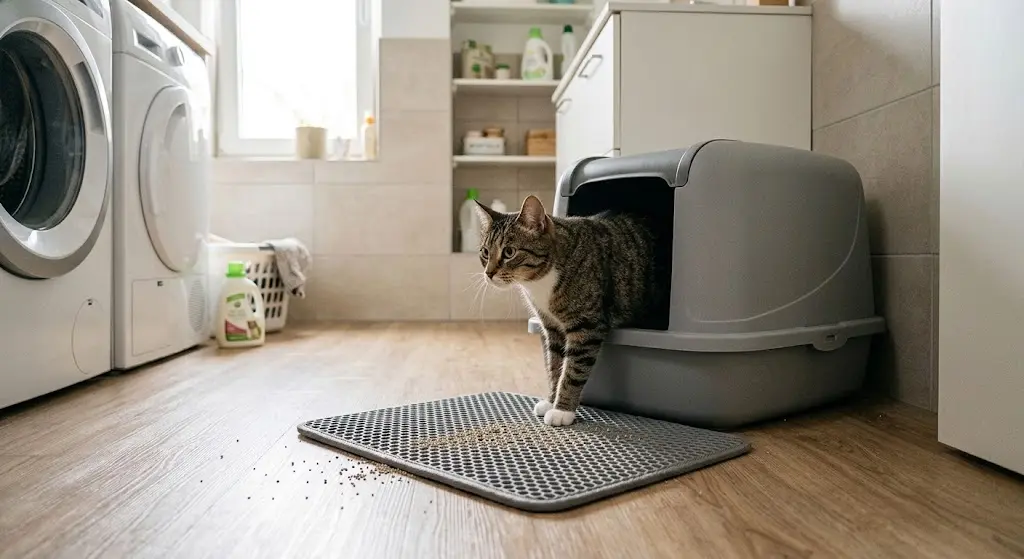
One box per cat, plus one spare. Each box should be about one and a half times your cat’s body length, scooped once a day, and placed away from food, water, and loud appliances. Most owners who say nothing works are running one small covered box in a laundry room next to a washing machine. That single change fixes more cases than any product.
Compare Automatic Litter Boxes
How To Get A Cat To Use The Litter Box When They Refuse
Work through this in order. Do not skip steps, because each one removes a variable.
- Add a second box in a different room. Cats avoid dead ends and rooms with one exit.
- Remove the lid for two weeks. Covered boxes trap odor and block escape routes.
- Switch to unscented fine clumping litter. Perfume is pleasant to you and harsh to a cat.
- Fill to two inches deep. Too shallow feels wrong, too deep feels unstable.
- Clean accident spots with an enzyme cleaner. Regular cleaners leave a scent marker that invites a repeat.
- Scoop twice daily for one week. If the problem improves, cleanliness was the trigger.
If refusal continues past a week with a clean, open, correctly placed box, the cause is medical or emotional, not mechanical.
Try Calming Support For Anxious Cats Urinary Care Consult Online
Why Won’t My Cat Poop In The Litter Box But Will Pee
This split is one of the clearest signals in cat behavior. Urinating takes seconds. Defecating takes longer, leaves a stronger scent, and makes a cat feel exposed. So a box that is barely acceptable for peeing becomes unacceptable for pooping.
The three real causes are size, cleanliness, and pain. A box that is too short means your cat hangs over the edge. A box with yesterday’s waste in it means she will use it once and then refuse. Constipation or anal gland discomfort makes her associate the box with pain, so she moves somewhere new.
Fix it by upgrading to a larger open box, scooping after every poop, and supporting digestion with fiber and moisture. Most cats return within ten days.
Cat Digestive And Probiotic Care Add A Nutrient Topper To Meals
Why Is My Cat Not Using The Litter Box All Of A Sudden
Sudden changes almost never come from personality. Something changed in the last two weeks. Run this checklist.
- Did you change litter brand, scent, or texture
- Did you deep clean the box with bleach or a strong cleaner
- Did you move the box, add furniture, or change flooring
- Is there a new pet, baby, guest, or outdoor cat visible through a window
- Is your cat drinking more, eating less, or losing weight
- Is she straining, vocalizing, or licking the genital area more than usual
Get An Urgent Vet Answer Now
Dehydration also plays a quiet role. Cats that drink too little produce concentrated urine, which irritates the bladder and makes the box feel painful. Flowing water raises intake noticeably in most households.
Female Cat Stopped Using Litter Box
In female cats, three explanations cover the majority of cases. First, a urinary tract infection or bladder inflammation, which is more common in stressed indoor cats. Second, heat cycles in cats that are not spayed, where urine marking replaces normal box use. Third, arthritis in cats over eight, which turns a high sided box into a climb she would rather avoid.
The practical fix is a low entry box she can walk into, a warmer resting spot, joint support if she is older, and a urinalysis to rule out infection. If she is unspayed and marking, spaying resolves the behavior in most cats.
Senior Cat Comfort And Mobility Care Run A Cat Health Screening Test
Cat Won’t Use Litter Box, Tried Everything
When owners say they tried everything, they usually tried many things briefly. Cats need consistency measured in weeks, not days. Use this two week reset instead.
- Days 1 to 3. Place three boxes in three separate rooms, all open, all unscented fine litter, all scooped twice daily.
- Days 4 to 7. Enzyme clean every past accident spot and put a feeding bowl or bed on the worst repeat area. Cats avoid soiling where they eat and sleep.
- Days 8 to 11. Note which box she chooses. That box location wins.
- Days 12 to 14. Remove the least used box. Keep the winner and one backup permanently.
If she still refuses after fourteen consistent days, book diagnostics. Silent pain, early kidney disease, and bladder inflammation all present exactly like a behavior problem, and all are treatable when caught early.
Book A Behavior And Health Consult Check Genetic Health Risk Markers
Which Litter Box Setup Should You Buy
| Setup | Best for | Typical US price | Why it works |
|---|---|---|---|
| Large open pan | Beginners, kittens, budget | $20 to $45 | Maximum space, zero anxiety, easy to inspect waste |
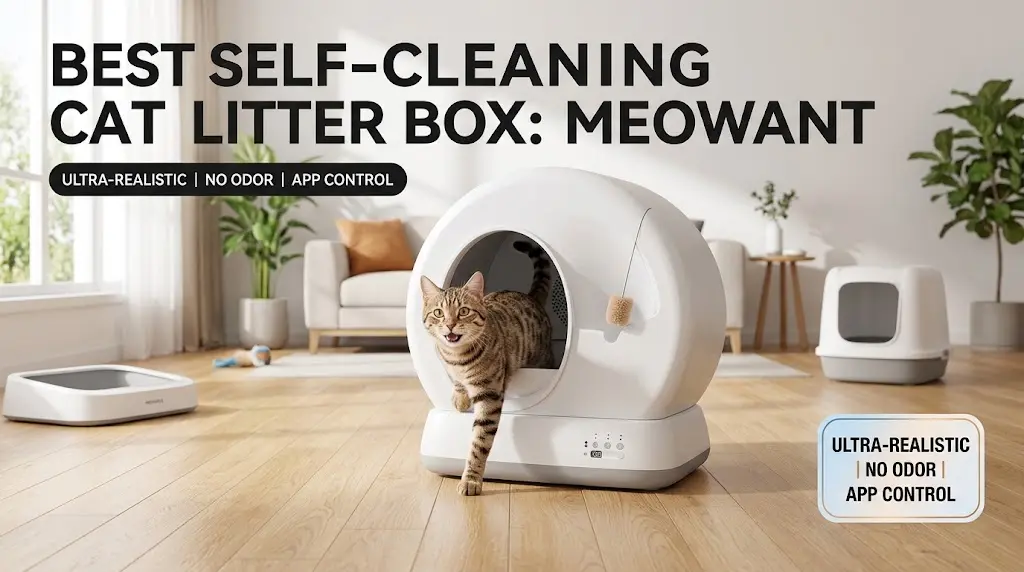
| Self cleaning box | Busy owners, repeat refusers | $300 to $650 | Removes waste after every visit so the box is always acceptable |
| Low entry senior box | Cats 8 and older, arthritis | $25 to $60 | No climbing, no joint pain, no avoidance |
| Two box system | Multi cat homes | $40 to $90 | Ends resource guarding between cats |
View Current Litter Box Offers Bundle With A Smart Feeder
The one habit that keeps the problem gone
Scoop at the same time every day, refresh litter fully every two weeks, and wash the box with unscented soap once a month. Cats measure safety by repetition. Give them a routine they can predict and the box stops being a decision and becomes a habit again.
Frequently Asked Questions
What are the most common litter box issues with solution for cats
The most common issues are a dirty box, a box that is too small, scented litter, a stressful location, and urinary pain. The solutions are daily scooping, a larger open box, unscented clumping litter, a quiet location away from appliances, and a vet check if urination looks painful.
How do I get my cat to use the litter box again
Add an extra open box in a new room, switch to unscented fine litter, scoop twice a day, and clean past accident spots with an enzyme cleaner. Give the new setup fourteen days before changing anything else.
Why is my cat not using the litter box to pee but still pooping in it
Painful urination is the leading cause. Bladder inflammation, crystals, or infection make your cat associate the box with pain, so she pees elsewhere while still pooping normally. This needs a urinalysis rather than a behavior fix.
Is a self cleaning litter box worth it
For repeat refusers and busy households, yes. It keeps the box clean after every single visit, which removes the most common trigger. For a single tidy cat with a scooped open box, a standard large pan works just as well.
How many litter boxes do I need
One per cat plus one extra, placed in separate rooms. Two cats need three boxes. Boxes lined up side by side count as one box to a cat.
When should I see a vet about litter box problems
Immediately if there is straining, crying, blood, or no urine produced. Within 48 hours if accidents continue despite a clean, correctly placed box, or if drinking, appetite, or weight has changed.
Editorial disclosure: Happy Cat At Home is reader supported. If you buy through links on this page we may earn a small commission at no extra cost to you. Products are selected independently and reviewed by our veterinary editor. This article is educational and does not replace veterinary care.