Home › Cat Breeds › British Shorthair
British Shorthair Cat: Size, Personality, Lifespan, Price and Breed Facts (Vet-Reviewed)
 Written & medically reviewed by Dr. Muhammad Usama, DVM, RVMP· PVMC license no. 9472

OriginGreat Britain
Height11–14 inches
Adult weight7–17 lb (males 9–17)
Life span12–16 years
Is a British Shorthair right for you?
The British Shorthair is a calm, round-faced, plush-coated cat from Great Britain: males usually weigh 9 to 17 pounds, females 7 to 12 pounds, and most live about 12 to 16 years. It suits busy owners, apartments and first-time cat parents who want an affectionate but independent companion. It is a poor fit if you want a cat to carry around, need a hypoallergenic breed, or have toddlers who can’t yet respect a cat’s space.
- 📏 Size: medium to large, heavy-boned; full size at about 3 to 5 years
- ❤️ Personality: easygoing, quiet, loyal, not a fan of being picked up
- 🩺 Health watch: hypertrophic cardiomyopathy (HCM), especially in males; obesity; PKD
- 💰 Price: about $1,500 to $3,000 for a breeder kitten in 2026
British Shorthair quick facts
The British Shorthair is one of the oldest English cat breeds, known for its round “teddy bear” face, copper eyes, dense plush coat and steady temperament. Every figure below comes from a registry, vet or breed source listed at the end of this guide.
- Origin
- Great Britain
- Breed group
- Medium to large shorthair
- Height
- About 11 to 14 inches at the shoulder
- Adult weight
- Males 9 to 17 lb · females 7 to 12 lb
- Full grown
- About 3 years; full maturity can take up to 5
- Lifespan
- About 12 to 16 years (some reach 20)
- Coat
- Short, very dense and plush
- Grooming
- Brush 2 to 3 times a week; more when shedding
- Eyes
- Usually copper or orange; green, blue or odd eyes in some colors
- Temperament
- Affectionate, easygoing, sensible, quiet
- Good with kids and pets
- Yes, with respectful kids; tolerant of dogs
- Hypoallergenic
- No
- Popularity
- #7 in the CFA’s 2026 list; #1 by US registrations in 2024 (Cats.com data)
- Other names
- British Blue (blue cats), Britanica, Lowlander
British Shorthair breed scorecard
On our 1 to 5 scale, the British Shorthair scores highest for first-time-owner fit and independence, and lowest for grooming effort and vocal level. These are editorial ratings by Dr. Usama based on the sources below; individual cats vary.
- AffectionLoyal and likes to be near you, but prefers sitting beside you to being held. 4/5
- PlayfulnessPlayful as a kitten; adults enjoy short games with toy mice and wands. 3/5
- Activity levelLaid-back and fond of naps, so weight gain is common. 2/5
- Grooming needShort coat; a quick brush 2 to 3 times a week is enough most of the year. 2/5
- SheddingVery dense coat sheds noticeably in seasonal molts. 3/5
- VocalOne of the quietest breeds; rarely demands attention. 1/5
- Kid-friendlyPatient with respectful children; dislikes being carried around. 4/5
- Pet-friendlyTolerant of calm dogs and other cats. 4/5
- Inherited health riskHCM (no DNA test yet), PKD and obesity. 3/5
- Can be left aloneCopes with a workday alone better than most breeds. 4/5
Is a British Shorthair right for you? Good fit vs not a good fit
A British Shorthair is right for you if you want a calm, low-maintenance cat that is loving without being clingy. Check this list before you contact a breeder or shelter.
- Work outside the home and want an independent cat
- Live in an apartment or a quiet house
- Want a short-haired cat with easy grooming
- Prefer a quiet cat over a chatty one
- Can control portions and play daily
- Want a cat that loves being picked up and carried
- Have toddlers who grab and hold pets
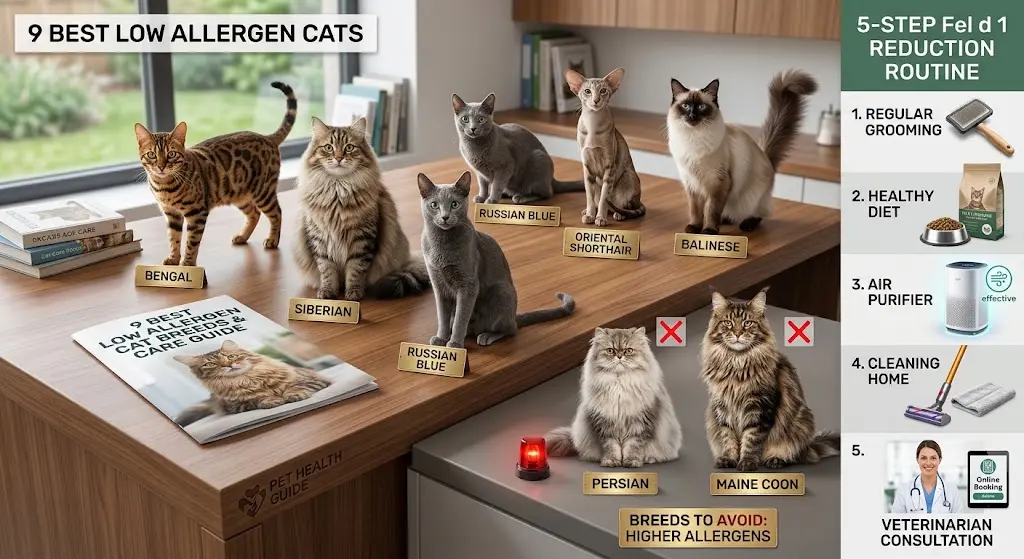
- Need a hypoallergenic cat (see cat breeds for people with allergies)
- Want a high-energy, acrobatic cat
- Can’t budget for heart screening
British Shorthair personality and temperament
British Shorthairs are calm, affectionate and dignified cats that bond strongly with their family but prefer to keep all four paws on the ground. They follow you from room to room and settle nearby, yet most dislike being lifted or carried.
The British Shorthair is the opposite of a demanding cat. It rarely meows for attention, adapts well to routines and is usually content to watch the household from a sunny spot. The breed is often described as reserved but pleasant: polite with visitors and warm with its own people.
That independence makes the breed one of the better choices for working owners, since British Shorthairs are not prone to separation anxiety and can handle a few hours alone. They still need company and play every day; read how long you can leave a cat alone before longer trips.
Are British Shorthairs good with kids and dogs?
Yes, British Shorthairs are usually good with children and calm dogs, as long as nobody insists on picking them up. They are patient and tolerant, but young kids who chase or carry cats can stress them. Teach children to pet the cat where it sits, and use our guide to introducing a cat to a dog.
Are British Shorthairs lap cats?
Some British Shorthairs enjoy laps, but most prefer to sit beside you rather than on you. Let the cat choose; forcing cuddles usually makes this breed more distant, not less.
British Shorthair size: how big do they get?
Adult male British Shorthairs usually weigh 9 to 17 pounds and females 7 to 12 pounds, standing about 11 to 14 inches tall at the shoulder. They are dense rather than tall: a broad chest, short thick legs and a round head make them look solid and heavy for their size.
When is a British Shorthair fully grown?
Most British Shorthairs reach full size by about 3 years old, and some keep filling out until 5. That slow growth is normal for the breed, so feed kitten food for at least the first year and judge adult portions by body shape, not age alone.
| Age | British Shorthair growth stage | What to do |
|---|---|---|
| 0 to 12 months | Fast frame growth; very playful | Kitten food in measured meals; see our kitten feeding chart |
| 1 to 3 years | Chest broadens; males develop jowls | Switch to adult food; start portion control |
| 3 to 5 years | Full size and muscle | Watch weight as play drops; yearly vet checks |
Curious how old your cat is in people years? Try the cat age calculator.
British Shorthair colors
British Shorthairs come in almost every color and pattern, but the classic is the solid blue-gray “British Blue” with copper eyes. Registries accept solid (self) colors, tabbies, tortoiseshells, bicolors, colorpoints and silver or golden tipped coats.
- Blue
- Black
- White
- Lilac
- Chocolate
- Cinnamon
- Red
- Cream
- Golden
- Silver tabby
What is a brown, golden or orange British Shorthair?
A “brown” British Shorthair is usually a solid chocolate or cinnamon cat or a brown (black) tabby, a “golden” one is a golden tipped or shaded cat, usually with green eyes, and an “orange” one is a red self or red tabby. These are all recognized colors; they just go by everyday names online. Solid black, white, cream and lilac cats are recognized too, and white British Shorthairs may have blue, orange or odd eyes.
Is the British Longhair the same breed?
The British Longhair is the long-coated version of the British Shorthair, created when Persians were crossed in to rebuild the breed after the world wars. It shares the round face and calm nature but needs far more grooming.
Swatches are simple color guides, not photos. Accepted colors differ slightly between registries (CFA, TICA, GCCF).
British Shorthair care: food, grooming, exercise and litter box
British Shorthair care is simple: measured meals, a weekly brushing routine and daily play to keep a naturally lazy cat at a healthy weight.
Nutrition
Feed a British Shorthair a high-protein, complete food in measured portions, because the breed is prone to obesity as it ages. Food puzzles slow fast eaters, and an automatic cat feeder keeps portions exact if you work long hours. Use our cat feeding calculator, and if your cat is already round in the wrong places, see how to help your cat lose weight and the best cat food for weight loss.
Grooming
Brush a British Shorthair 2 to 3 times a week with a rubber brush or fine comb, and more often during seasonal molts. The coat is extremely dense, so shed hair builds up quickly even though it rarely mats. Brush teeth regularly and trim nails every few weeks.
Exercise and enrichment
A British Shorthair needs two short play sessions a day, because adults rarely exercise on their own. Wand toys, toy mice and food puzzles suit their hunting style; see our indoor cat enrichment ideas. A sturdy, low cat tree is better than a tall, wobbly one for this heavy breed.
Litter box and water
Give a British Shorthair a large, stable litter box and fresh water in several spots. See what size litter box your cat needs, and consider an easy-to-clean water fountain to help a low-activity cat drink more.
British Shorthair health problems and lifespan
British Shorthairs are generally robust, but the main health concerns are hypertrophic cardiomyopathy (HCM), polycystic kidney disease (PKD), hemophilia B, obesity and dental disease.
Hypertrophic cardiomyopathy (HCM)
HCM is a thickening of the heart muscle, and in British Shorthairs it is much more common in males. A Danish study of 329 British Shorthairs found HCM in 8.5% of cats overall: 20.4% of males but only 2.1% of females (Granström et al., 2011). Unlike Maine Coons and Ragdolls, there is no DNA test for HCM in this breed yet, so responsible breeders screen with heart ultrasounds (echocardiograms) and remove affected cats from breeding. Ask your vet to listen for a murmur at every checkup.
Polycystic kidney disease (PKD)
PKD causes fluid-filled cysts in the kidneys that slowly reduce kidney function over time. A DNA test exists, and responsible breeders use it, so ask to see both parents’ PKD results.
Hemophilia B
Hemophilia B is an inherited blood-clotting disorder that can cause heavy bleeding after injury or surgery. It is one of two known genetic disorders in the breed, so ask whether the parents were tested.
Obesity and dental disease
Obesity and dental disease are the most common everyday problems in British Shorthairs. Keep ribs easy to feel and brush teeth; early signs of trouble include bad breath and red gums (see signs of dental disease in cats).
How long do British Shorthairs live?
Most British Shorthairs live about 12 to 16 years, and some reach 20 with good care. A lean body, regular dental care and early heart checks, especially in males, give your cat the best chance at a long life.
How much is a British Shorthair?
A British Shorthair kitten from a breeder typically costs about $1,500 to $3,000 in 2026, according to Catster, with the full range running from about $500 to $4,500 depending on pedigree, color and location. Adoption, when you can find one, usually costs $50 to $200.
| Cost item | Typical US cost | Source |
|---|---|---|
| Breeder kitten | $1,500–$3,000 | Catster, Oct 2026 |
| Wider breeder range | $500–$4,500 | PetMD |
| Adoption | $50–$200 | Catster |
| Initial setup and supplies | $210–$690 | Catster |
| Ongoing monthly costs (food, vet, insurance, litter, toys) | $188–$948 | Catster |
Rarer colors, show pedigrees and breeders who do heart scans usually charge more. A higher price that includes parents’ PKD results and echocardiogram reports is better value than a cheap kitten with no health records.
British Shorthair vs Scottish Fold, Russian Blue and American Shorthair
A British Shorthair has straight ears, a round head and copper eyes; a Scottish Fold has folded ears, a Russian Blue is slim with green eyes, and an American Shorthair is a leaner, longer-legged working cat. The Scottish Straight is a straight-eared Scottish Fold relative that looks very similar to a British Shorthair. The Fold’s ear gene is also linked to a painful cartilage and bone disorder, which is one reason many vets discourage breeding folds.
| Trait | British Shorthair | Scottish Fold | Russian Blue | American Shorthair |
|---|---|---|---|---|
| Ears | Straight, rounded tips | Folded forward | Large, pointed | Straight, medium |
| Body | Cobby, heavy, broad chest | Rounded, medium | Slim, fine-boned | Muscular, longer legs |
| Eyes | Mostly copper or orange | Varies with coat | Green | Varies with coat |
| Colors | Almost all | Almost all | Blue only | Many; silver tabby is classic |
Comparing bigger breeds? See our Maine Coon and Ragdoll profiles.
British Shorthair history and origin
The British Shorthair descends from cats brought to Britain by the Romans, which bred with local cats to form a sturdy, dense-coated working cat, and it was one of the breeds shown at the first cat show at London’s Crystal Palace in 1871. Artist Harrison Weir, often called the “Father of the Cat Fancy,” wrote the first judging standards.
The breed nearly disappeared during the two world wars. Breeders rebuilt it with Persians, Russian Blues, Burmese and Chartreux, which is how the British Longhair also appeared. The American Cat Association recognized the British Blue in 1967, and TICA and the CFA recognized the British Shorthair by 1980. The grinning Cheshire Cat in Alice in Wonderland is often said to be based on the breed.
How to find a healthy British Shorthair kitten or adult
Buy a British Shorthair only from a breeder who shows PKD DNA results and recent heart scans for both parents, or adopt through a shelter or breed rescue. Use this checklist when you call.
- Ask for health records: PKD DNA results and echocardiogram (heart scan) reports for both parents, plus any hemophilia B testing.
- Check registration: the cattery should register with CFA or TICA and give you papers.
- Visit or video call: meet the mother and see where kittens are raised.
- Wait for the right age: good breeders place kittens at 12 weeks or older, after vaccines.
- Read the contract: look for a health guarantee, spay/neuter terms and a take-back promise.
- Consider adoption: search Petfinder; shelters sometimes list round-faced gray cats as “British Shorthair” even when they are mixes, which is fine if you just want the temperament.
- British Shorthairs appeared at the world’s first cat show, at Crystal Palace, London, in 1871.
- The breed has an exceptionally dense coat, described by the GCCF as having more fur per square inch than any other breed.
- The classic color was once so dominant that the breed was simply called the “British Blue.”
- Male British Shorthairs develop chubby jowls that give the breed its famous “smile.”
- The Maine Coon, Ragdoll and British Shorthair all sit in the CFA’s 2026 top 10.
Frequently asked questions
Are British Shorthair cats hypoallergenic?
No, British Shorthairs are not hypoallergenic. Cat allergens come from skin and saliva, and the breed’s dense coat spreads dander around the home. Compare breeds that may suit allergy sufferers before choosing.
Do British Shorthairs shed a lot?
British Shorthairs shed a moderate amount, with heavier shedding during seasonal molts. Their coat rarely mats, but brushing 2 to 3 times a week keeps loose fur off your furniture.
What is the British Shorthair lifespan?
The average British Shorthair lives about 12 to 16 years, and some reach 20. Heart disease in males and obesity are the main threats to a long life.
How big does a full-grown British Shorthair get?
A full-grown male British Shorthair usually weighs 9 to 17 pounds and a female 7 to 12 pounds. Most reach full size by about 3 years, and some keep filling out until 5.
How much is a British Shorthair kitten?
A British Shorthair kitten usually costs about $1,500 to $3,000 from a US breeder in 2026. Show-quality and rare-color kittens cost more, and adoption fees are much lower.
Can British Shorthairs be left alone?
Yes, adult British Shorthairs handle a normal workday alone better than most breeds because they are independent and not prone to separation anxiety. They still need daily play and attention when you are home.
Do British Shorthairs like to be held?
Most British Shorthairs do not like being picked up or carried and prefer to keep all four paws on the ground. They show affection by staying close, following you and sitting beside you instead.
- Cats.com, British Shorthair breed information
- PetMD, British Shorthair (reviewed by Barri J. Morrison, DVM)
- GCCF, British Shorthair breed profile
- Granström S. et al. (2011). Prevalence of hypertrophic cardiomyopathy in a cohort of British Shorthair cats in Denmark. J Vet Intern Med 25(4):866–871.
- Catster, How much does a British Shorthair cost? 2026 price overview, updated Oct 2026
- Cat Fanciers’ Association, Most popular breeds for 2026
- WebMD Pets, What to know about a Ragdoll cat (comparison data)
This guide is for education and does not replace a vet exam. Prices and rankings change; we review this page regularly.
Dr. Usama is a registered veterinarian (Pakistan Veterinary Medical Council license no. 9472). He earned his Doctor of Veterinary Medicine at The Islamia University of Bahawalpur and an MPhil in Zoology from the Virtual University of Pakistan, with research work at Bahauddin Zakariya University, Multan and the University of Veterinary and Animal Sciences, Lahore. He reviews every health and safety point on Happy Cat At Home and writes for US cat owners who want practical, honest advice. More about Dr. Usama · Editorial policy
Join the Happy Cat Club: one short, vet-reviewed email a week with breed guides, care tips, honest product picks and seasonal safety alerts. No spam, unsubscribe anytime.