HAPPY CAT AT HOME · FELINE NUTRITION & GIANT BREED CARE
Maine Coon Cat Food: How Much, What Type and Best Picks (2026 Guide)
A veterinary deep-dive into caloric math for 15–25 lb giant cats, wet vs. dry protein ratios, essential nutrients (protein, fat, taurine, joint support), raw feeding rules, slow-growth kitten schedules, and top commercial picks.
30-Second Summary for Cat Parents
Maine Coon cat food requirements: Maine Coons are gentle giant carnivores that grow continuously for 3 to 5 years, requiring 20 to 35 calories per pound of body weight daily (ranging from 300 to 600+ kcal depending on age, weight, and activity level). Their optimal diet consists of high animal protein (minimum 45–55% dry matter basis), moderate fat (15–20%), low carbohydrates (<10%), high-moisture wet food enriched with Omega-3 fatty acids (EPA/DHA) for joint protection and Taurine for cardiac support. Feeding a combination of high-grade human-quality wet food and measured dry kibble via an automated feeder prevents rapid eating while protecting kidney function and joint cartilage.
Caloric Portion Math: How Much Food Does a Maine Coon Need?
Unlike standard domestic shorthair cats that reach full adult weight (8 to 10 lbs) by 12 months, Maine Coons are the largest domestic cat breed in the world. Adult male Maine Coons routinely weigh 15 to 25 pounds, while females weigh 11 to 16 pounds. Because of their massive muscular frame, dense bone structure, and prolonged growth period (3 to 5 years), their daily caloric and nutrient intake must be calculated precisely to avoid both undernourishment and obesity.
Veterinary nutritionists calculate baseline energy requirements based on lean body mass using the Resting Energy Requirement (RER) formula: RER = 70 × (body weight in kg)^0.75. Multiply this baseline by an activity coefficient (1.2x for neutered indoor adults, 1.6x–2.0x for active adults or growing kittens):
An adult neutered indoor Maine Coon requires approximately 20 to 25 calories per pound of target body weight daily. Active adults and growing kittens require 30 to 35 calories per pound.
| Life Stage & Weight Range | Average Daily Calories (kcal) | Recommended Meals per Day | Primary Diet Focus |
|---|---|---|---|
| Kitten (2 to 6 Months) | 400 to 600 kcal | 4 to 5 meals | High-calorie growth wet food (AAFCO Growth profile) |
| Young Adult (7 to 18 Months) | 450 to 550 kcal | 3 to 4 meals | High-protein transition formula + DHA for brain development |
| Adult Female (12 to 16 lbs) | 300 to 400 kcal | 2 to 3 meals | High-protein wet food + controlled dry kibble |
| Adult Male (18 to 25 lbs) | 420 to 580 kcal | 3 to 4 meals | Joint-support wet meals + automated portions |
| Senior / Inactive (8+ Years) | 280 to 380 kcal | 2 to 3 meals | Moderate calorie, high digestibility, renal protection |
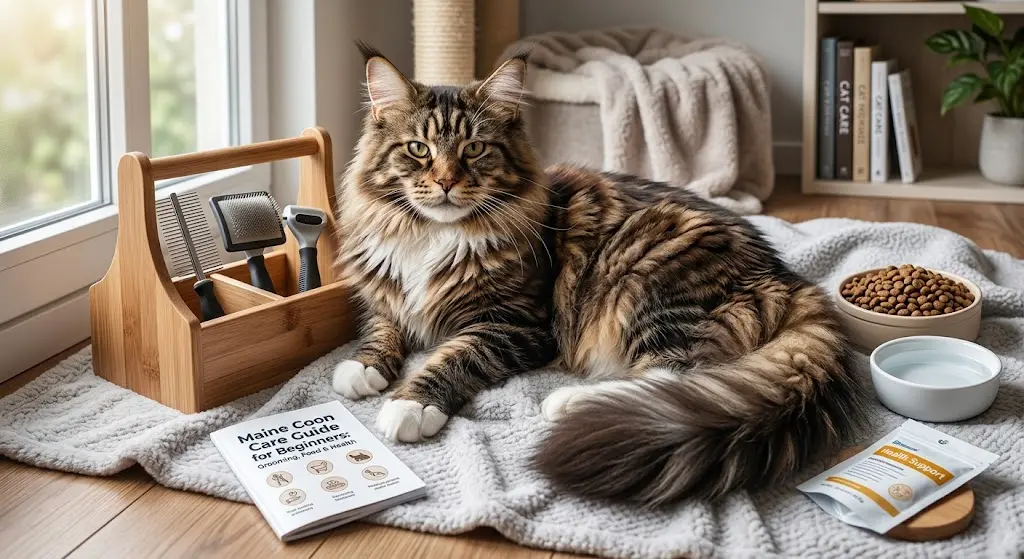
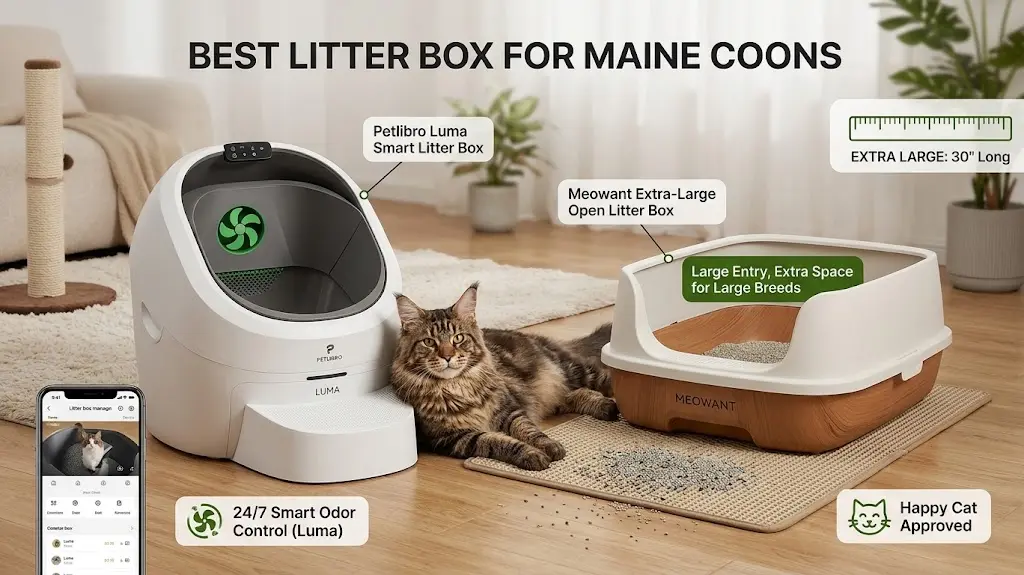
For a complete breakdown of overall breed care, grooming routines, and XL litter box setups, explore our Maine Coon Care Guide for Beginners.
What Type of Food Is Best? Wet, Dry, Fresh or Raw?
Selecting the best diet type for a Maine Coon involves balancing moisture content, protein density, dental hygiene, and convenience. Because felines evolved in desert environments as obligate carnivores, they possess a low natural thirst drive and rely on their prey to supply 70% or more of their daily water intake.
1. High-Moisture Wet Canned Food (The Gold Standard)
Wet food delivers 75% to 82% moisture, which is critical for giant-breed cats. Maine Coons are biologically prone to Feline Lower Urinary Tract Disease (FLUTD), bladder stones, and chronic kidney disease (CKD). High moisture dilutes urine, increases voiding frequency, and flushes mineral crystals out of the bladder. Wet food also allows for high protein density with near-zero carbohydrate fillers.
2. Human-Grade Fresh Meals
Gently cooked fresh food (such as USDA-inspected turkey, chicken, or beef meals) offers maximum nutrient bioavailability. Fresh diets preserve natural heat-sensitive enzymes, essential fatty acids, and intact muscle fibers without high-heat extrusion. They are ideal for pickier Maine Coons or cats with sensitive GI tracts.
3. High-Protein Dry Kibble
Dry kibble provides convenience and caloric density, making it useful for high-energy young Maine Coons requiring large daily energy quotas. However, dry food contains only 8% to 10% moisture and requires carbohydrate starches (such as peas, tapioca, or potatoes) to form kibble structures. If feeding kibble, choose formulas with at least 38–42% crude protein and pair it with a continuous clean water source, like a circulating fountain or feline hydration station.
4. Commercial Freeze-Dried Raw Food
Commercial freeze-dried or high-pressure processed (HPP) raw diets mimic a cat’s ancestral prey profile. They deliver unprocessed muscle meat, organs, and finely ground bone with excellent digestibility. However, raw feeding requires strict hygiene and precise calcium-to-phosphorus balancing.
The Vet-Recommended “60/40 Hybrid” Feeding Strategy
Feed 60% to 70% of daily calories as high-protein, high-moisture wet or fresh food divided between morning and evening meals. Supply the remaining 30% to 40% as high-protein dry kibble distributed in small, timed portions throughout the day using a smart feeder.
Essential Nutrients: Protein, Fat, Taurine & Joint Support
To support a frame that can weigh upwards of 20 pounds and stretch over 40 inches from nose to tail, a Maine Coon’s biological diet must fulfill precise macronutrient and micronutrient thresholds. Standard off-the-shelf commercial cat foods often lack the protein concentration and joint-protective compounds required by this giant breed.
An ideal Maine Coon diet should deliver 45% to 55% Crude Protein (dry matter basis), 15% to 20% Healthy Fats, under 10% Carbohydrates, at least 0.2% Taurine, and therapeutic levels of Glucosamine, Chondroitin, and EPA/DHA Omega-3 Fatty Acids.
1. High Animal Protein (Minimum 45%–55% Dry Matter)
Cats are obligate carnivores requiring real animal muscle meat—not plant-based proteins like corn gluten, wheat gluten, or soy. Protein supplies essential amino acids (arginine, lysine, methionine) required to build and maintain the massive muscle mass of a Maine Coon. Look for real named animal proteins as the first 3 ingredients (e.g., deboned chicken, turkey, salmon, rabbit, or beef).
2. Moderate Healthy Fats & Essential Fatty Acids (15%–20% DM)
Fat is the primary energy source for felines, providing 9 calories per gram compared to 4 calories per gram from protein or carbohydrates. More importantly, marine-sourced Omega-3 fatty acids (EPA and DHA from salmon oil or krill oil) reduce systemic inflammation, nourish the dense weather-resistant triple coat, and protect skin health. Omega-6 linoleic acid maintains coat shine and skin barrier integrity.
3. Taurine & Heart Health (HCM Prevention Support)
Taurine is an essential amino acid that cats cannot synthesize internally. It is vital for heart muscle contraction, bile acid conjugation, and retinal vision. Maine Coons carry a genetic predisposition to Hypertrophic Cardiomyopathy (HCM), a condition where the heart muscle thickens abnormally. While dietary taurine cannot cure genetic HCM, a taurine deficiency causes dilated cardiomyopathy (DCM) and severely worsens cardiac stress. Maine Coon diets must provide at least 0.2% taurine on a dry matter basis.
4. Glucosamine, Chondroitin & EPA/DHA for Joint Protection
Carrying 15 to 25 pounds of weight places extraordinary mechanical stress on a cat’s hip joints, stifle (knee) joints, and spinal column. Maine Coons have the highest incidence of feline Hip Dysplasia and secondary osteoarthritis among all domestic cat breeds. Diets enriched with Glucosamine HCl (500+ mg/kg), Chondroitin Sulfate (400+ mg/kg), and Omega-3 EPA/DHA protect articular cartilage from wear, preserve synovial fluid viscosity, and maintain mobility into senior years.
5. Low Carbohydrate Threshold (<10% DM)
Felines lack salivary amylase and have low liver enzyme activity (glucokinase) for processing large carbohydrate loads. High-carbohydrate diets (30%+ carbs found in cheap dry kibble) cause chronic blood glucose spikes, leading to insulin resistance, feline diabetes mellitus, and hepatic lipidosis in indoor giant breeds.
| Nutrient Parameter | Standard Domestic Cat Target | Maine Coon Giant Breed Target | Biological Function in Maine Coons |
|---|---|---|---|
| Crude Protein (Dry Matter) | 30% to 40% | 45% to 55%+ | Maintains massive lean muscle mass & bone density |
| Crude Fat (Dry Matter) | 12% to 16% | 15% to 20% | Concentrated energy & triple-coat lipid nourishment |
| Carbohydrates (Dry Matter) | <15% | <10% | Prevents feline diabetes, obesity & sluggish digestion |
| Taurine Concentration | 0.10% min | 0.20% to 0.25%+ | Supports cardiac muscle function & protects against DCM |
| Omega-3 EPA/DHA | 0.1% min | 0.5% to 1.0%+ | Anti-inflammatory joint protection for 15–25 lb frame |
| Glucosamine & Chondroitin | Optional | 500 mg/kg Glucosamine 400 mg/kg Chondroitin |
Prevents premature hip dysplasia & joint cartilage breakdown |
For more insights on evaluating complete nutrition and human-grade quality standards, see our guide on Best Human-Grade Cat Food in the USA.
Kitten to Senior Feeding Schedule (0 to 5+ Years Growth)
Because Maine Coons take up to 60 months (5 years) to reach full physical maturity, transitioning them to adult food too early is a major mistake. Their skeletal structure and muscle tissues require continuous elevated protein and mineral support throughout extended adolescence.
1. Kitten Phase (2 to 6 Months)
Feed 4 to 5 small meals daily of calorie-dense kitten food formulated for growth (AAFCO Growth profile). Ensure high levels of DHA for brain and visual development. Free-feeding canned kitten food alongside measured dry kibble ensures they receive sufficient calories during rapid growth surges.
2. Extended Junior Growth Phase (6 to 18 Months)
Unlike standard cats transitioned to adult food at 12 months, Maine Coons should remain on high-calorie kitten food or high-protein all-life-stages formulas until at least 15 to 18 months. Reduce meal frequency to 3 to 4 meals daily.
3. Young Adult Phase (18 Months to 3 Years)
Transition slowly to a high-protein adult or giant-breed formula over 7 to 10 days. Monitor body condition score (BCS) closely: you should easily feel their ribs beneath their thick fur without seeing prominent bones.
4. Mature Adult Phase (3 to 7 Years)
Maintain 2 to 3 structured meals daily. Combine high-moisture wet food with controlled kibble portions using a smart automated feeder to prevent gorging and obesity.
5. Senior Phase (8+ Years)
Senior Maine Coons benefit from highly digestible proteins, reduced phosphorus levels to protect kidney function, and boosted antioxidant and joint-support complexes. Learn more in our Cat Calming Treats Hub.
Best Maine Coon Cat Food Picks (Ranked & Vet-Reviewed)
Our veterinary review board evaluated over 30 top commercial cat foods against Maine Coon biological requirements: high animal protein (>45% DM), low carbs (<10% DM), high moisture, marine Omega-3s, and zero artificial fillers. Here are the top 6 vet-approved picks:
#1 Open Farm Open-Prairie Canned Wet Food (Best Overall)
Protein: 50% DM | Fat: 22% DM | Carbs: <4% DM | Type: Wet Canned
Open Farm delivers 100% human-grade, ethically sourced chicken and turkey with full ingredient traceability. It provides a clean, high-moisture protein foundation rich in natural taurine without guar gum, carrageenan, or artificial preservatives.
#2 Smalls Fresh Gently Cooked Ground Bird (Best Fresh Human-Grade)
Protein: 52% DM | Fat: 20% DM | Carbs: <2% DM | Type: Gently Cooked Fresh
Smalls uses USDA-inspected chicken thigh and breast muscle meat gently cooked at low temperatures to lock in nutrients and natural moisture. It offers maximum digestibility and nutrient absorption, making it outstanding for giant breeds.
#3 Tiki Cat Luau Shredded Canned Food (Best High-Protein Shreds)
Protein: 60% DM | Fat: 15% DM | Carbs: <1% DM | Type: Wet Canned Shreds
Tiki Cat Luau features real shredded chicken breast and wild-caught salmon packed in a nutrient-rich consommé broth. With zero grains, starch, or carbohydrates, it delivers ultra-pure animal protein to build lean muscle mass.
#4 Royal Canin Maine Coon Adult Dry Kibble (Best Breed-Specific Kibble)
Protein: 38% DM | Fat: 18% DM | Carbs: ~28% DM | Type: Dry Kibble
Specially engineered with an extra-large king-sized kibble shape that forces large Maine Coon jaws to chew rather than gulp food whole. Formulated with Glucosamine, Chondroitin, and EPA/DHA for joint protection, plus Omega-6 fatty acids for coat health.
#5 Weruva Paw Lickin’ Chicken (Best Hydration & Sensitive Digestion)
Protein: 58% DM | Fat: 14% DM | Carbs: <3% DM | Type: Wet Gravy/Broth
Weruva provides boneless, skinless white breast chicken in a light gravy that delivers over 85% moisture. Excellent for Maine Coons prone to urinary tract issues or reduced water intake.
#6 Nulo Freestyle Grain-Free Canned (Best High-Meat Value)
Protein: 48% DM | Fat: 18% DM | Carbs: <5% DM | Type: Wet Pate
Nulo delivers grain-free, high-protein chicken and duck pate enriched with BC30 patented probiotics for gut health and immune support at an accessible price point.
Supplements, Toppers & Smart Automated Feeding Setup
To optimize a Maine Coon’s diet, combining complete commercial food with targeted whole-food toppers and automated portion control equipment creates the ultimate long-term wellness strategy.
1. Superfood Nutrient Toppers for Coat & Gut Health
Adding a whole-food superfood topper delivers live digestive enzymes, probiotics, and bioavailable micronutrients that processing heat often degrades. We recommend adding Meow Greens / Ruff Greens Superfood Topper to your cat’s daily wet or dry meal to boost digestive immunity, reduce hairballs, and enhance coat shine.
2. Automated Portion Control & Slow Feeding
Maine Coons are prone to eating rapidly, gulping unchewed dry kibble, and regurgitating food shortly after eating. Using a smart, automated feeder like the Petlibro Granary Smart Feeder allows you to schedule 4 to 6 small, precise kibble portions throughout the day and night. This eliminates food anxiety, prevents rapid gorging, and maintains steady blood glucose levels.
Need Veterinary Advice on Your Maine Coon’s Weight or Diet?
If your Maine Coon shows signs of food allergies, rapid weight loss, or joint stiffness, consult a licensed US veterinarian online from home.
💬 Consult a Licensed Vet Online (24/7) → Paid affiliate link · Connect with a licensed US vet in under 15 minutes.Diet-Related Health Risks: HCM, Hip Dysplasia & Obesity
Proper nutrition plays a direct role in preventing and managing the three most common health conditions affecting Maine Coons:
1. Hypertrophic Cardiomyopathy (HCM)
HCM causes left ventricular heart wall thickening. Ensure your Maine Coon’s diet provides at least 0.2% Taurine, L-Carnitine, and Omega-3 EPA/DHA to support myocardial function. You can also screen your cat’s genetic carrier status at home using a Basepaws Cat DNA Test Kit.
2. Feline Hip Dysplasia & Arthritis
Excess weight drastically accelerates joint cartilage degeneration. Maintain a lean body condition score (BCS 4-5 out of 9) and ensure daily joint support nutrients. If your Maine Coon shows reluctance to jump, read our guide on Why Is My Cat Not Eating? 12 Vet-Backed Reasons.
3. Feline Lower Urinary Tract Disease (FLUTD)
Low water intake leads to concentrated urine and painful struvite/calcium oxalate crystals. Ensure daily high-moisture wet food feeding.
Frequently Asked Questions About Maine Coon Food
How many cans of wet food should a Maine Coon eat per day?
An adult Maine Coon weighing 15 to 20 lbs typically requires 2 to 3 standard 5.5 oz cans of high-quality wet food daily (or approximately 350 to 450 total calories). If combining wet food with dry kibble, feed one 5.5 oz can of wet food plus 1/3 to 1/2 cup of high-protein dry kibble per day.
When do Maine Coons stop growing and need adult cat food?
Maine Coons grow continuously for 3 to 5 years. They should remain on kitten food or high-protein growth formulas until at least 15 to 18 months of age before gradually transitioning to adult high-protein foods.
Is dry kibble alone enough for a Maine Coon cat?
No. Feeding dry kibble exclusively increases the risk of chronic mild dehydration, urinary crystals, and kidney stress. Veterinary nutritionists strongly recommend providing at least 50% to 70% of their daily calories as high-moisture wet or fresh food.
What human foods are safe for Maine Coons as treats?
Plain cooked chicken breast, turkey, unseasoned salmon, cooked eggs, and small amounts of plain pumpkin puree are safe treats. Avoid toxic foods including onions, garlic, grapes, raisins, chocolate, caffeine, and dairy milk.
Why is my Maine Coon always hungry and begging for food?
Maine Coons have a high metabolic rate during their 5-year growth phase. However, constant begging in adults can indicate a low-protein/high-carb diet that fails to trigger satiety, internal parasites, thyroid issues, or boredom. Ensure your diet contains 45%+ animal protein and use automated portion feeders.
How do I protect my Maine Coon’s joints through diet?
Feed a diet enriched with marine Omega-3 fatty acids (EPA/DHA from fish oil), Glucosamine (500+ mg/kg), and Chondroitin Sulfate. Keep your cat at a lean body weight to prevent excess mechanical pressure on their hip joints.