Litter Box Precautions: 15 Mistakes To Avoid
15 Cat Litter Box Precautions to FollowA cat litter box is essential for indoor cats, but keeping it clean and using it correctly is just as important as choosing the right litter. Good cat litter box precautions can reduce unpleasant odors, limit the spread of germs, protect cats from unnecessary stress, and make litter-box maintenance safer for people.
From daily scooping and safe cleaning to litter selection, box placement, pregnancy precautions, and automatic litter-box safety, this guide covers the most important things cat owners should know. We will also explain what to look for when choosing a safer litter box and cleaning setup.
What Are Cat Litter Box Precautions?
Cat litter box precautions are simple practices that help keep the litter box hygienic, accessible, and safe for both cats and people. They include regular scooping, proper hand hygiene, safe cleaning products, appropriate litter, good ventilation, and placing the box somewhere your cat can comfortably use it.
Litter-box safety is not only about preventing germs. A dirty, poorly located, overly scented, or uncomfortable litter box can cause some cats to avoid it altogether. That can lead to urine or feces being deposited elsewhere in the home.
Why litter box safety matters for cats and people
Cat feces can contain organisms that may cause illness, while litter dust, strong fragrances, and harsh cleaning chemicals can create additional problems for sensitive cats and people.
For cats, the box itself also matters. A box that is too small, difficult to access, constantly dirty, or located somewhere frightening may discourage normal litter-box use.
Can a cat litter box make you sick?
There can be health risks associated with handling cat feces, particularly for pregnant people and people with weakened immune systems. One important concern is toxoplasmosis, an infection caused by the parasite Toxoplasma gondii.
That does not mean cat owners need to panic or give up living with their cats. Good hygiene, daily litter removal, handwashing, and appropriate precautions can substantially reduce unnecessary exposure.
The biggest litter box safety risks
- Accumulated cat feces and urine
- Parasites and other microorganisms
- Litter dust
- Strong fragrances
- Harsh or inappropriate cleaning chemicals
- Poor ventilation
- Inadequate litter-box cleaning
- Unsafe or inaccessible box placement
- Boxes that are too small
- Too few boxes in multi-cat households
15 Cat Litter Box Mistakes To Avoid
1. Scoop the litter box every day
One of the most important litter box precautions is simple: scoop the box regularly, preferably every day. Remove feces and urine clumps rather than allowing waste to accumulate.
Frequent scooping helps control odors and keeps the box more appealing to your cat. It also lets you notice changes in urine or stool that could indicate a potential health problem.
If you have multiple cats, you may need to scoop more frequently because the box becomes contaminated faster.
2. Wash your hands after cleaning the litter box
Always wash your hands thoroughly with soap and water after handling used litter, feces, or a dirty litter box. Avoid touching your face, food, or kitchen surfaces before washing your hands.
This is especially important when cleaning litter boxes used by multiple cats or when handling visible fecal material.
3. Wear disposable gloves when handling cat litter
Gloves can provide an additional barrier when scooping or completely cleaning a litter box. Disposable gloves are particularly useful when handling feces or performing a deep cleaning.
Gloves do not replace handwashing. Remove them carefully and wash your hands afterward.
4. Keep the litter box away from food preparation areas
Do not place a cat litter box beside kitchen counters, food preparation surfaces, or areas where human food is stored or served.
Choose a quiet location that your cat can access easily while keeping the box physically separated from food and water preparation areas.
5. Keep children away from the litter box
Young children should not play in or handle used cat litter. Keep the litter box somewhere children cannot easily access it, and supervise children around cats and their litter areas.
Teach older children that a litter box is a pet toilet, not a place for playing or touching.
6. Pregnant women should take extra litter box precautions
Pregnancy is one situation where additional care around cat litter is recommended because of the potential risk of toxoplasmosis.
If you are pregnant, the safest approach is to have someone else clean the litter box when possible. If that is not possible, use disposable gloves and wash your hands thoroughly afterward.
Daily cleaning is also important because Toxoplasma parasites in cat feces generally need time before they become infectious.
If you are pregnant and have concerns about toxoplasmosis or cat exposure, discuss your individual circumstances with your healthcare professional.
7. Clean the litter box in a well-ventilated area
Good ventilation can help reduce exposure to concentrated litter dust and unpleasant odors. This is particularly useful when emptying an entire litter box or cleaning a heavily soiled box.
Avoid shaking or pouring litter unnecessarily because this can create airborne dust.
8. Avoid heavily scented litter and cleaning products
Strong fragrance may make a litter box smell better to humans, but that does not necessarily make it more comfortable for cats. Many cats prefer unscented litter.
If your cat suddenly stops using a box after you change litter or cleaning products, consider whether the new scent or texture could be contributing to the problem.
For cats that are sensitive to fragrance, a low-dust, unscented litter may be a better starting point.
Explore CATLINK Cassava Mixed Cat Litter
9. Never mix household cleaning chemicals
Never mix cleaning chemicals together when washing a litter box. Some chemical combinations can produce dangerous fumes.
Use a cleaner that is appropriate for pet areas, follow the manufacturer’s directions, rinse the box thoroughly, and allow it to dry before adding fresh litter.
10. Avoid inappropriate disinfectants around cats
Not every household disinfectant is appropriate for use around cats. Some chemical ingredients can be particularly hazardous to cats.
Never assume that a powerful-smelling cleaner is automatically better. The goal is to clean the box effectively without leaving harmful residues or exposing your cat to unnecessary chemicals.
11. Do not flush cat litter down the toilet
Flushing cat litter may create plumbing problems and can also introduce cat waste into wastewater systems. Follow the disposal instructions for your particular litter and local waste-management rules.
For routine cleaning, use appropriate waste bags and dispose of used litter according to local regulations and the litter manufacturer’s instructions.
12. Replace cracked or heavily scratched litter boxes
Plastic litter boxes can become scratched over time. Deep scratches can make thorough cleaning more difficult because residue can remain in damaged surfaces.
Inspect the box regularly. Replace it if it becomes cracked, damaged, difficult to clean, or otherwise unsuitable.
13. Keep the litter box accessible to your cat
Your cat should be able to reach the litter box easily without having to pass through a frightening or difficult area.
Avoid placing the box behind closed doors, inside appliances or furniture that can trap the cat, or in locations that are difficult for kittens, senior cats, or cats with mobility problems to reach.
Accessibility is especially important for older cats. A low-entry litter box may make it easier for a senior or mobility-limited cat to get in and out.
14. Provide enough litter boxes for multiple cats
A common recommendation for multi-cat households is to provide one litter box per cat, plus one extra.
- 1 cat: 2 litter boxes
- 2 cats: 3 litter boxes
- 3 cats: 4 litter boxes
Place boxes in different accessible locations rather than putting every box together in one small area.
If you have several cats or want to reduce daily cleaning work, an automatic litter box can be worth considering. However, automatic does not mean maintenance-free.
Compare CATLINK self-cleaning litter boxes and bundles
15. Watch for changes in litter box behavior
Pay attention when your cat suddenly changes its litter-box habits.
Warning signs can include:
- Suddenly urinating outside the box
- Repeatedly defecating outside the box
- Straining to urinate
- Frequent trips to the litter box
- Crying or vocalizing while using the box
- Spending unusually long periods in the box
- Suddenly avoiding a previously accepted box
Do not automatically assume these behaviors are caused by stubbornness. Medical conditions, stress, litter-box problems, and environmental changes can all contribute to inappropriate elimination.
Related Cat Care Essentials
Keeping your litter box routine safe is easier when you have the right setup. Here are a few tools that can help reduce daily maintenance, encourage healthy hydration, ease anxiety around litter box changes, and support overall wellness.
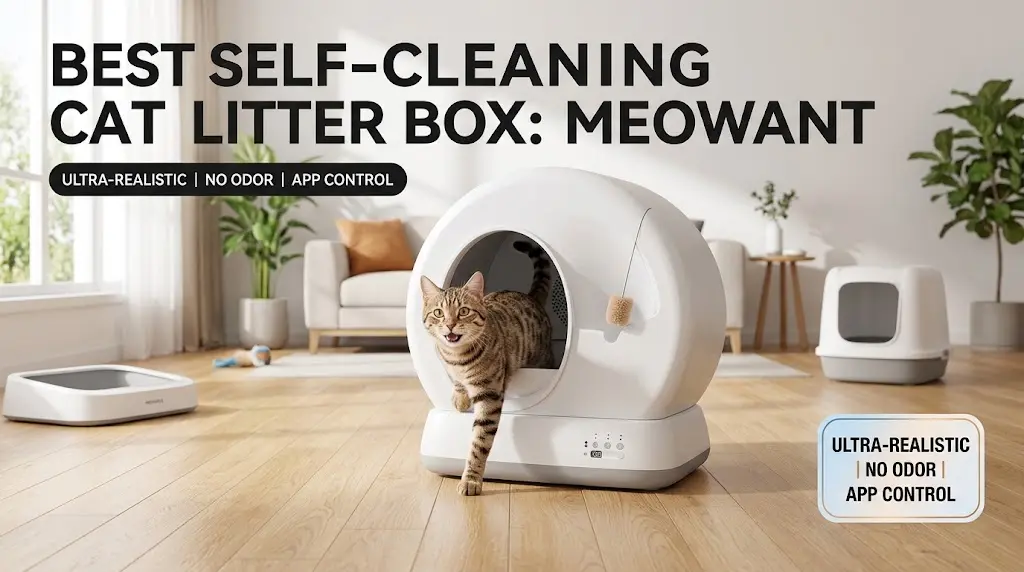
Want less daily scooping? A self-cleaning litter box can handle waste removal automatically, keeping the box fresher between your own cleanings.
See Best Self-Cleaning Litter BoxesEncourage better hydration. Cats that drink more water tend to have healthier urinary and litter-box habits. A cat water fountain that’s easy to clean can make daily maintenance simple too.
Compare Easy-Clean Cat Water FountainsManaging a stressed or anxious cat? Litter box avoidance can sometimes be linked to stress. CBD products formulated for cats may help support calmness during routine or environmental changes.
Learn About CBD for CatsLooking for a gentler way to ease anxiety? Calming treats are a simple, non-medical option many cat owners try alongside consistent litter box care.
See Best Calming Treats for CatsHow to Clean a Cat Litter Box Safely
Knowing how to clean a cat litter box safely is just as important as choosing the right box. Regular maintenance should remove waste without exposing you or your cat to unnecessary chemicals or dust.
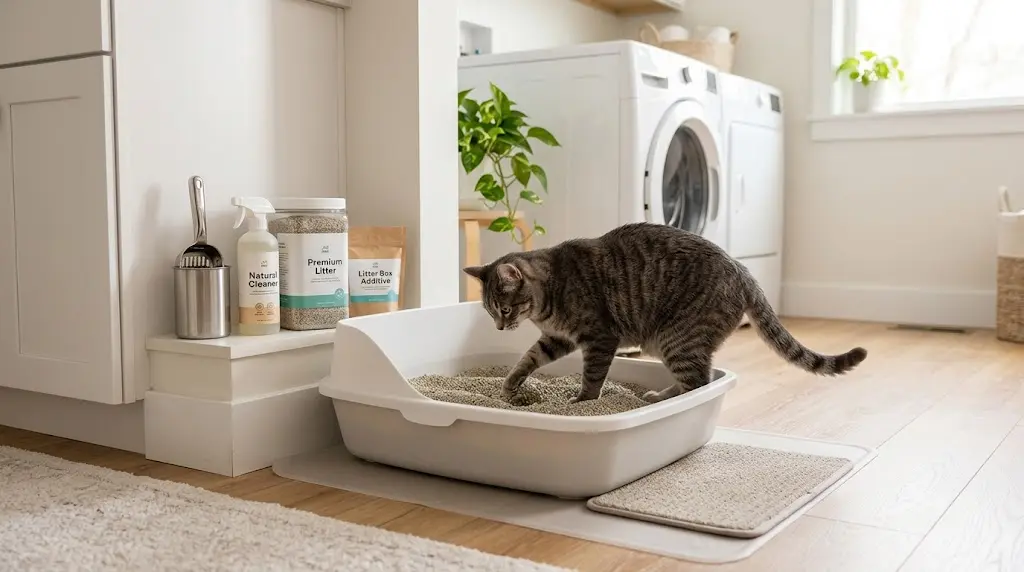
What you need to clean a litter box
- Cat litter scoop
- Disposable gloves
- Waste bags
- Pet-appropriate cleaning supplies
- Clean water
- A dedicated cleaning brush
- Fresh cat litter
A dedicated litter-box cleaning brush can make deep cleaning easier, particularly around corners and areas where litter residue accumulates.
See the CATLINK Cat Litter Box Cleaning Brush Set
Step 1: Put on gloves
Wear disposable gloves before handling used litter or feces.
Step 2: Remove urine clumps and feces
Scoop out waste carefully. Avoid aggressively shaking the scoop or dumping litter from a height because this can create unnecessary dust.
Step 3: Dispose of used litter safely
Place used litter and waste into an appropriate waste bag and follow local disposal requirements and the instructions supplied with your litter.
Step 4: Wash the litter box
When performing a deeper clean, empty the remaining litter and wash the box using an appropriate cleaning method.
Step 5: Rinse away all cleaner residue
Rinse the box thoroughly after cleaning. Residual chemicals or strong fragrances can make the box less appealing to cats.
Step 6: Dry the box completely
Allow the litter box to dry completely before adding fresh litter. Moisture can cause clumping litter to stick to the bottom and sides.
Step 7: Add fresh litter
Add the appropriate amount of litter according to your cat’s preference and the litter manufacturer’s recommendations.
Step 8: Return the box to a safe location
Put the box back in a quiet, accessible location where your cat can use it without being disturbed.
How Often Should You Clean a Cat Litter Box?
There is no single cleaning schedule that works perfectly for every household. The more cats using a box, the faster it becomes soiled.
How often should you scoop cat litter?
For most households, scooping at least once a day is a good basic routine. Multi-cat households may need more frequent scooping.
How often should you completely change cat litter?
The appropriate schedule depends on the type of litter, number of cats, litter-box size, and how well the litter controls moisture and odor. Follow the manufacturer’s directions while monitoring the actual condition of the box.
How often should you wash the litter box?
Perform a deeper cleaning regularly rather than relying only on scooping. The exact frequency depends on litter type, number of cats, and how quickly the box becomes dirty or develops an odor.
When should you replace the litter box?
Replace a box when it is cracked, damaged, deeply scratched, difficult to clean, or no longer appropriate for your cat’s size and mobility.
Does the number of cats change cleaning frequency?
Yes. More cats generally mean more waste and faster litter contamination. Multi-cat households should be prepared to scoop more frequently and provide enough litter boxes.
Cat Litter Box Precautions During Pregnancy
Pregnancy is one of the most frequently searched situations involving cat litter safety. The concern is primarily related to exposure to Toxoplasma gondii, a parasite that can be present in cat feces.
Why is cat litter a concern during pregnancy?
Toxoplasmosis can be particularly important during pregnancy because infection can affect an unborn baby. This is why health authorities recommend additional precautions when handling cat feces.
Can pregnant women clean cat litter?
Pregnant people should avoid cleaning litter boxes when another person can do the task. If there is no alternative, use disposable gloves and wash your hands thoroughly after cleaning.
What should you do if nobody else can clean the litter box?
Use gloves, avoid touching your face while cleaning, wash your hands thoroughly afterward, and clean the box daily rather than allowing waste to remain for extended periods.
How often should cat litter be changed during pregnancy?
Daily removal of feces is an important precaution. Because the timing of parasite development matters, allowing feces to remain in the litter box for longer periods is not ideal.
Does indoor-only status reduce the risk?
An indoor-only cat may have a lower opportunity for exposure to some sources of Toxoplasma, but cat litter hygiene is still important. Do not assume indoor status eliminates every possible risk.
What about toxoplasmosis and cat litter?
If you are pregnant or immunocompromised and are concerned about toxoplasmosis, speak with your doctor or other qualified healthcare professional for advice appropriate to your circumstances.
Is Cat Litter Dangerous to Humans?
For most healthy adults, routine litter-box cleaning with good hygiene is manageable. However, cat feces can contain organisms that may cause illness, so basic precautions are worthwhile.
Can cat litter cause toxoplasmosis?
Cat feces can be a source of Toxoplasma gondii. However, transmission is not inevitable. Good hygiene and appropriate litter-box practices can reduce exposure.
Can you get sick from cleaning a litter box?
There are potential health risks from handling animal feces, especially for certain higher-risk groups. Wearing gloves, avoiding direct contact, cleaning the box regularly, and washing your hands afterward are sensible precautions.
Can cat litter dust affect people?
Dust from some litter products can be irritating, particularly for people or cats who are sensitive to airborne particles. A low-dust litter and good ventilation may help reduce unnecessary dust exposure.
Can litter box germs spread around the house?
Waste particles can be transferred from a litter box area through contaminated hands, surfaces, or litter tracked on paws. Regular scooping, cleaning, handwashing, and a litter mat can help keep the surrounding area cleaner.
Check the CATLINK Double-Layer Cat Litter Mat
Who should take extra precautions?
Pregnant people and people with weakened immune systems should take additional care when handling cat feces and litter boxes. If you fall into a higher-risk group, follow advice from your healthcare professional.
Are Cat Litter Boxes Safe for Cats?
A litter box can be perfectly safe for cats when it is appropriately sized, accessible, regularly cleaned, and filled with litter the cat accepts.
Can a dirty litter box make a cat sick?
A dirty litter box creates an unhygienic environment and may discourage normal elimination behavior. It also makes it harder for owners to notice changes in urine or feces.
Can scented litter bother cats?
Some cats dislike strong fragrances. If your cat avoids a newly introduced litter, consider returning to a familiar unscented product.
Is a covered litter box safe?
A covered litter box can be safe when it is large enough, properly ventilated, accessible, and kept clean. However, some cats prefer open boxes and may dislike confined spaces or accumulated odors.
Is an automatic litter box safe?
Automatic litter boxes can reduce the amount of manual scooping required, but they should not be treated as completely maintenance-free. Choose a model with appropriate safety features, follow the manufacturer’s instructions, and continue monitoring your cat’s litter-box habits.
For cat owners considering an automated setup, CATLINK offers several self-cleaning litter-box options designed for different household and cat-size requirements.
Compare CATLINK self-cleaning litter boxes and available bundles
Is clay litter safe for cats?
Clay litter is widely used by cat owners, but individual cats can respond differently to litter texture and dust. If your cat is sensitive to dust or strongly rejects a particular litter, consider a lower-dust alternative.
Is silica cat litter safe?
Silica crystal litter is another commonly available option. Use it according to the manufacturer’s instructions and monitor your cat’s response to the product.
Is clumping litter safe?
Clumping litter can be convenient because urine forms removable clumps. Choose a reputable product, use it as directed, and monitor your cat for signs of litter avoidance or irritation.
What type of litter is safest for cats?
There is no single litter that is ideal for every cat. Many cats do well with an unscented, relatively low-dust litter with a texture they readily accept.
How to Choose a Safe Cat Litter Box
The safest litter box is not necessarily the most expensive one. It should fit your cat, be easy to access, be simple to clean, and suit your household’s cleaning routine.
Choose the right litter box size
Your cat should have enough room to enter, turn around, dig, squat, and leave comfortably. A box that is too small can discourage normal use.
Open vs. covered litter boxes
Open and covered boxes can both work. The best choice depends on your cat’s preferences, the box’s size and ventilation, and how consistently it is cleaned.
Low-entry litter boxes for kittens and senior cats
Kittens, older cats, and cats with mobility limitations may benefit from a lower entrance that is easier to navigate.
Large litter boxes for big cats
Larger cats generally need more room. Avoid choosing a box solely because it fits into a small corner of your home.
Stainless steel vs. plastic litter boxes
Both materials have advantages. Plastic is lightweight and widely available, while stainless steel can be durable and resistant to absorbing odors. The most important consideration is whether the box remains clean, intact, and comfortable for your cat.
Automatic vs. traditional litter boxes
Traditional boxes are simple and inexpensive but require manual scooping. Automatic litter boxes can reduce routine scooping and may be particularly useful for busy households or people managing multiple cats.
What safety features should an automatic litter box have?
When comparing an automatic litter box, look for appropriate sensors, reliable cycling controls, a secure waste compartment, easy access for cleaning, and clear manufacturer instructions.
Do not choose an automatic box solely because it promises less work. Your cat’s size, behavior, litter preference, and comfort should come first.
See the CATLINK Scooper Open-X self-cleaning litter box for multi-cat households
Best Cat Litter for a Safe and Clean Litter Box
The best litter is one your cat consistently accepts while also fitting your household’s cleaning and odor-control needs.
Unscented vs. scented cat litter
Unscented litter is often a good starting point because some cats dislike strong fragrances. If your cat consistently uses an unscented product, there may be little reason to introduce a heavily scented alternative.
Clumping vs. non-clumping litter
Clumping litter makes it easier to remove urine and feces without replacing the entire box every time. Non-clumping litter can also work well, depending on your cat’s preferences and your cleaning routine.
Clay litter
Clay litter is popular and widely available. Choose an option appropriate for your cat and consider dust levels if either you or your cat is sensitive to airborne particles.
Silica crystal litter
Silica crystals absorb moisture and can offer useful odor control. Always follow the product’s usage instructions.
Plant-based cat litter
Plant-based litters may be made from materials such as corn, wheat, wood, or cassava. They can appeal to owners looking for alternatives to traditional mineral litter.
CATLINK offers a cassava mixed cat litter marketed for U.S. customers.
Check CATLINK Cassava Mixed Cat Litter
Low-dust cat litter
If litter dust is a concern, look for products specifically designed to minimize dust. Pour litter slowly and avoid shaking bags or containers unnecessarily.
What litter should you avoid?
Avoid litter that your cat consistently rejects, produces excessive dust, or creates problems for your household. Strong fragrances can also be a poor choice for cats that dislike scented products.
Where Should You Put a Cat Litter Box?
Litter-box location can directly affect whether your cat feels comfortable using it.
Best places for a litter box
- Quiet but accessible areas
- Places with reasonable ventilation
- Locations where your cat is unlikely to be startled
- Areas that are easy for you to clean
- Multiple separate locations in multi-cat homes
Places to avoid
- Next to food preparation areas
- Busy, noisy walkways
- Places that can become inaccessible
- Areas with loud appliances
- Small spaces with poor ventilation
- Locations where another pet can block access
Should a litter box be near food and water?
It is generally better to keep the litter box separate from feeding areas. Cats typically prefer to eliminate away from where they eat and drink.
Should the litter box be in a bathroom?
A bathroom can work if the cat can access it reliably and the door is not accidentally closed. Make sure the location is comfortable, quiet, and adequately ventilated.
Can you put a litter box in a bedroom?
You can, but consider odor, tracking, ventilation, and cleaning. A litter mat and consistent scooping routine can help keep the surrounding area cleaner.
Can a litter box be placed in a small apartment?
Yes. In a small home, prioritize accessibility and ventilation. Avoid hiding the box in a location where your cat feels trapped or where cleaning becomes difficult.
Should cats have access to more than one litter box?
Multiple boxes can be particularly useful for multi-cat households. The commonly recommended starting point is one box per cat plus one extra.
Common Cat Litter Box Mistakes to Avoid
Using only one litter box for multiple cats
One box may not provide enough access or privacy for several cats. Multiple boxes can reduce competition and litter-box avoidance.
Waiting until the litter box smells before cleaning it
Odor is not a good cleaning schedule. Scoop waste regularly before the box becomes heavily soiled.
Using strong fragrances to hide litter box odor
Adding fragrance does not solve the underlying hygiene problem and may make the box less appealing to your cat.
Putting the box next to food
Keep elimination and feeding areas separate whenever possible.
Using harsh cleaning chemicals
Use appropriate pet-area cleaning methods and rinse thoroughly rather than relying on aggressive chemicals.
Changing litter suddenly
If your cat is comfortable with its current litter, introduce a new product gradually rather than making a sudden switch whenever possible.
Choosing a box that is too small
A small box may look convenient in your home but can be uncomfortable for your cat.
Hiding the box somewhere inaccessible
Do not prioritize hiding the litter box over your cat’s ability to reach it easily.
Ignoring changes in bathroom behavior
Sudden changes should not automatically be blamed on behavior. They can sometimes signal a medical problem and may require veterinary attention.
Cat Litter Box Safety Checklist
Daily
- Scoop feces
- Remove urine clumps
- Check the condition of the litter
- Observe your cat’s urine and stool habits
- Wash your hands after cleaning
Routine deep cleaning
- Empty the box when appropriate
- Wash the litter box
- Rinse away cleaning residue
- Dry the box completely
- Add fresh litter
- Clean the surrounding floor
Regular inspection
- Check for cracks
- Check for deep scratches
- Check whether the box is still large enough
- Check that your cat can access it easily
- Replace damaged equipment
- Clean or replace litter mats when necessary
When Should You Call a Veterinarian?
Litter-box behavior can provide useful clues about your cat’s health. Contact your veterinarian if your cat develops a sudden or persistent change in elimination habits.
Your cat suddenly stops using the litter box
Sudden litter-box avoidance can have medical, behavioral, or environmental causes. A veterinary assessment may be appropriate, especially if the change is unexplained.
Your cat repeatedly urinates outside the box
Repeated inappropriate urination should not simply be treated as bad behavior. Urinary disease, stress, litter-box problems, and other issues can contribute.
Your cat strains to urinate
Straining, repeated attempts to urinate, vocalizing, or producing little or no urine can be an emergency, particularly in male cats. Seek veterinary care promptly.
You notice blood in urine or stool
Blood in urine or stool warrants veterinary attention so the underlying cause can be identified.
Your cat cries while using the litter box
Vocalizing during elimination can indicate discomfort or pain. Contact your veterinarian for advice.
Your cat suddenly changes bathroom habits
Any significant unexplained change in litter-box behavior deserves attention, especially when accompanied by appetite changes, lethargy, vomiting, pain, or other unusual symptoms.
Frequently Asked Questions About Cat Litter Box Precautions
How often should you clean a cat litter box?
Scoop the litter box at least daily and perform deeper cleaning as needed based on the litter type, number of cats, and condition of the box.
How often should you scoop cat litter?
Daily scooping is a good basic routine. Homes with multiple cats may need to scoop more frequently.
Is it safe to clean a cat litter box every day?
Yes. Regular cleaning is an important part of litter-box hygiene. Wear gloves when handling used litter if appropriate and wash your hands thoroughly afterward.
Can pregnant women clean cat litter?
Pregnant people should avoid cleaning litter boxes when someone else can do it. If there is no alternative, use disposable gloves and wash your hands thoroughly afterward.
Can cat litter make humans sick?
Cat feces can contain organisms that may cause illness. Good litter-box hygiene, regular scooping, appropriate disposal, and handwashing can reduce unnecessary exposure.
Can you get toxoplasmosis from cleaning a litter box?
Exposure to cat feces is one possible route of Toxoplasma transmission. Appropriate hygiene and extra precautions for higher-risk people can reduce exposure.
Should you wear gloves when cleaning cat litter?
Gloves can provide an additional barrier when handling used litter and feces. Always wash your hands after cleaning the litter box, even if you wore gloves.
Is scented cat litter safe for cats?
Scented litter is not necessarily harmful to every cat, but some cats dislike strong fragrances. Unscented litter is often a useful option for cats that are sensitive to smells.
Is a covered litter box safe?
A covered litter box can be safe if it is appropriately sized, accessible, adequately ventilated, and cleaned regularly. Some cats, however, prefer open boxes.
How many litter boxes should I have for two cats?
A commonly recommended starting point is three litter boxes for two cats, using the one-box-per-cat-plus-one approach.
Where is the safest place to put a cat litter box?
Choose a quiet, accessible location away from food preparation areas. Make sure your cat can reach the box without being blocked or frightened.
Can you flush cat litter down the toilet?
It is generally better to follow the litter manufacturer’s disposal instructions and local waste rules rather than flushing used litter.
What is the safest cat litter?
There is no universally safest litter for every cat. An unscented, low-dust litter that your cat accepts and that you can maintain properly is a sensible choice for many households.
Are automatic litter boxes safe?
Automatic litter boxes can be safe when used according to the manufacturer’s instructions and when the model is appropriate for the cat’s size and behavior. Continue monitoring your cat and maintain the machine regularly.
When should you replace a cat litter box?
Replace it when it becomes cracked, heavily scratched, difficult to clean, damaged, or too small for your cat.
Final Thoughts on Cat Litter Box Precautions
The safest litter-box routine is not complicated. Scoop regularly, keep the box clean, wash your hands after handling litter, avoid inappropriate cleaning chemicals, keep the box away from food areas, and make sure your cat has a comfortable and accessible place to eliminate.
For multi-cat homes, providing enough litter boxes can make a major difference. If you want to reduce the amount of daily scooping, a properly selected self-cleaning litter box may also be worth considering, but automatic systems still require routine cleaning and monitoring.
If you are upgrading your litter-box setup, you can compare different CATLINK options based on your cat’s size, household needs, and preferred features.
Shop CATLINK cat litter boxes and explore available sizes and models
Good litter-box hygiene protects more than your floors. It helps create a cleaner home and a more comfortable environment for your cat.
Affiliate disclosure: Some links in this article are affiliate links. If you purchase through one of these links, we may earn a commission at no additional cost to you.