Best Brush for Long-Haired Cats: 7 Vet-Tested Grooming Tools for Silky, Tangle-Free Coats (2026)
A Persian, Maine Coon, or Ragdoll coat needs more than a quick swipe. Learn which brush type removes mats safely, cuts shedding, and keeps your long-haired cat comfortable year-round.
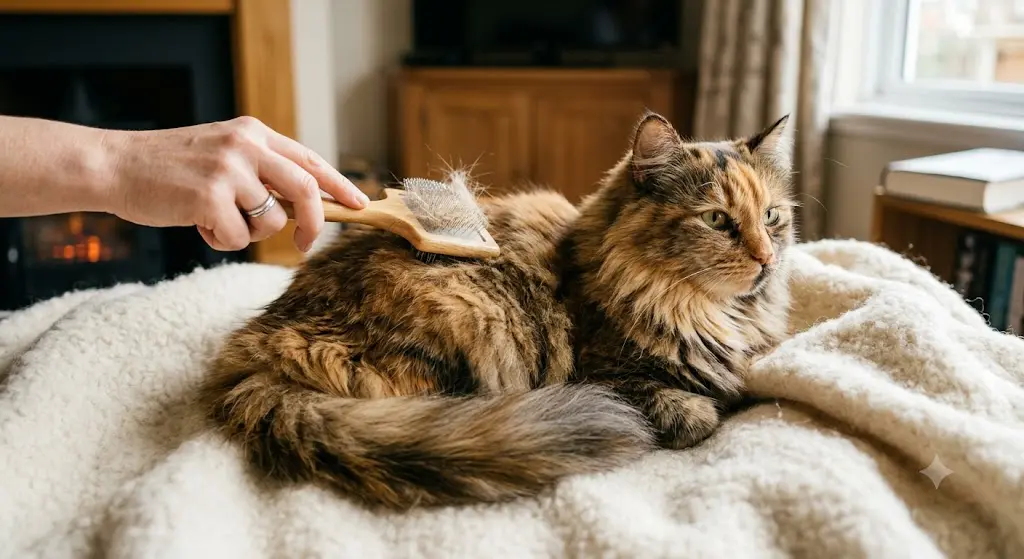
Why the Best Brush for Long-Haired Cats Is Different From a Short-Hair Brush
Long-haired cat breeds have a soft, dense undercoat beneath a longer, silky topcoat. That second layer traps loose fur, collects dander, and tangles into mats within days. A standard bristle brush skims the surface and leaves the undercoat untouched, which is why the right cat brush for long hair must reach through both layers without pulling skin.
According to the American Veterinary Medical Association, regular brushing also lets you spot lumps, skin irritation, and parasites early. For indoor cats that do not wear down claws or shed naturally outdoors, grooming becomes a health check, not just a beauty routine.
Most veterinarians recommend a short, daily brushing session for long-haired breeds. Waiting until knots form turns a 5-minute job into a stressful dematting session that can bruise the skin or require a professional shave.
7 Best Brushes for Long-Haired Cats (By Coat Problem)
There is no single perfect brush. The best approach is a small grooming kit with one tool for each job. Below are the seven brush types that long-haired cat owners use most, plus when to reach for each one.
1. Slicker Brush — Daily Coat Maintenance
The best slicker brush for cats has fine, angled wires that glide through the topcoat and lift loose undercoat without scratching skin. Use it 3–4 times per week for Persians, Ragdolls, and Maine Coons.
2. Dematting Comb — For Existing Tangles
A dematting comb for cats has curved, safety-edged blades that slice through mats instead of ripping them out. Work slowly from the tips inward and stop if the mat is against the skin.
View Deshedding Comb3. Undercoat Rake — Thick or Double Coats
If your cat blows coat in spring and fall, an undercoat rake removes the dense downy layer that slicker brushes miss. Long, widely spaced teeth are gentler on long fur than short deshedding blades.
4. Bristle Brush — Final Polish
Use a soft bristle brush after the slicker brush or rake to distribute natural oils and smooth the topcoat. It is the finishing step that gives long-haired cats their signature shine.
Specialty Tools for Seasonal Shedding and Sensitive Cats
- Deshedding tool: A cat deshedding brush with a stainless-steel edge grabs loose fur before it lands on furniture. Use it weekly during heavy shed seasons, not daily.
- Pin brush: Best for cats that dislike wire slickers. Rounded pins are gentle on the face, legs, and tail where fur is finer.
- Grooming glove: A good starter tool for kittens or nervous adults. The rubber nubs collect surface hair while you pet, building positive associations with grooming.
How to Brush a Long-Haired Cat Without Stress
The right technique matters as much as the right brush. A rushed or forceful session teaches cats to hide when the brush appears. Follow this vet-approved routine to keep your cat calm and the coat healthy.
Step-by-Step Brushing Routine
- Choose a quiet time. After a meal or play session is ideal because most cats are relaxed.
- Start with your hands. Pet the coat against and with the grain to find hidden knots.
- Use the slicker brush first. Work in small sections, brushing from head to tail in the direction of hair growth.
- Lift the coat, not the skin. Hold a tuft of fur between your fingers so the brush pulls hair, not skin.
- Tackle mats with a dematting comb. Hold the mat at the base and tease it apart from the tips down.
- Finish with a bristle brush. This smooths the topcoat and spreads skin oils.
- Reward immediately. A treat or play session after grooming builds a positive loop.
If your cat hisses, swats, or freezes, stop and try again later. Forcing a session can create long-term grooming aversion. Nervous cats may benefit from a calming supplement before brushing.
How Often Should You Brush a Long-Haired Cat?
Frequency depends on coat length, season, and whether your cat self-grooms effectively. Use this schedule as a starting point and adjust based on what you find in the brush.
| Coat Type | Recommended Brushing | Best Tool |
|---|---|---|
| Long, fine (Persian, Himalayan) | Daily | Slicker brush + bristle brush |
| Long, thick (Maine Coon, Norwegian Forest) | Daily to every other day | Undercoat rake + slicker brush |
| Semi-long (Ragdoll, Birman) | 3–4 times per week | Pin brush + deshedding tool |
| Senior or overweight cat | Daily, focus on back and hips | Soft slicker + grooming glove |
Senior long-hairs often develop arthritis and cannot twist to groom their hips. A daily brush in those hard-to-reach areas prevents painful matting and keeps skin healthy. Pair grooming with a joint-support supplement for older cats.
Best Supplements for a Healthy Long-Haired Cat Coat
Brushing removes dead hair, but coat quality starts from within. Dry, brittle fur breaks and tangles more easily. The two most common nutritional gaps for indoor long-haired cats are omega-3 fatty acids and adequate hydration.
Omega-3 Fatty Acids for Skin and Coat
Omega-3s from fish oil reduce flaky skin and support the lipid barrier that keeps fur smooth. A liquid omega-3 supplement can be mixed into wet food for cats that refuse pills. Look for a veterinary-formulated product with EPA and DHA listed on the label.
Hydration: The Overlooked Coat Factor
Indoor cats often drink too little, and dehydration makes skin dry and fur dull. A flowing water fountain encourages cats to drink more, which indirectly improves coat condition and reduces hairballs.
CBD Skin and Coat Support
For cats with sensitive skin, seasonal itching, or stress-related overgrooming, a hemp-derived CBD oil may help calm the nervous system and support skin comfort. Always choose a product made specifically for cats and start with the lowest suggested dose.
When to Call a Vet About Your Cat’s Coat
Brushing solves tangles, but it cannot fix medical problems. Contact your veterinarian or an online vet if you notice any of the following:
- Mats that extend down to the skin or cover large areas
- Bald patches, scabs, or red skin under the fur
- Excessive scratching, licking, or hair-pulling
- Dull coat with weight loss or increased thirst
- Matting in a senior cat that suddenly stops self-grooming
Online vet services are useful for quick triage, prescription flea control, and skin-allergy guidance without the stress of a clinic visit.
Frequently Asked Questions
What is the best brush for long-haired cats?
A high-quality slicker brush is the best daily tool for most long-haired cats. For thick double coats, add an undercoat rake. For existing mats, use a safety-edged dematting comb.
Can I use a dog brush on my long-haired cat?
Some brush styles overlap, but cat skin is thinner and more elastic than dog skin. Brushes made for cats use finer, shorter pins and gentler edges. A dog deshedding tool can accidentally cut or irritate cat skin.
How do I get mats out of a long-haired cat?
Hold the mat at the base to protect the skin, then gently work a dematting comb from the tip of the mat toward the skin. If the mat is tight, large, or near sensitive areas, see a groomer or veterinarian instead of cutting with scissors.
Why does my long-haired cat get mats so fast?
Loose undercoat gets caught in the topcoat and compacts into knots. Infrequent brushing, humidity, static, and obesity all speed up matting. Daily brushing prevents the problem before it starts.
Should I bathe my long-haired cat?
Most indoor cats do not need baths. If your cat is greasy, has a skin condition, or got into something sticky, use a gentle cat-safe shampoo and dry thoroughly to prevent chilling.
Is a grooming glove enough for a Maine Coon?
A grooming glove is not enough for a full Maine Coon coat. It only removes surface hair. Maine Coons need a slicker brush and undercoat rake at least every other day to prevent dense mats.
Final Verdict: Build a Simple Long-Haired Cat Grooming Kit
You do not need ten gadgets. A 5-piece grooming kit with a slicker brush, dematting comb, undercoat rake, bristle brush, and nail tool covers every stage of long-haired cat care. Pair that kit with a consistent routine, good hydration, and the right skin support, and you will spend less time fighting mats and more time enjoying a silky, happy cat.
Related guides: Signs of a Happy Cat, Indoor Cat Enrichment Ideas, Best Cat Water Fountain Easy to Clean, and Cat Sleep Calculator.